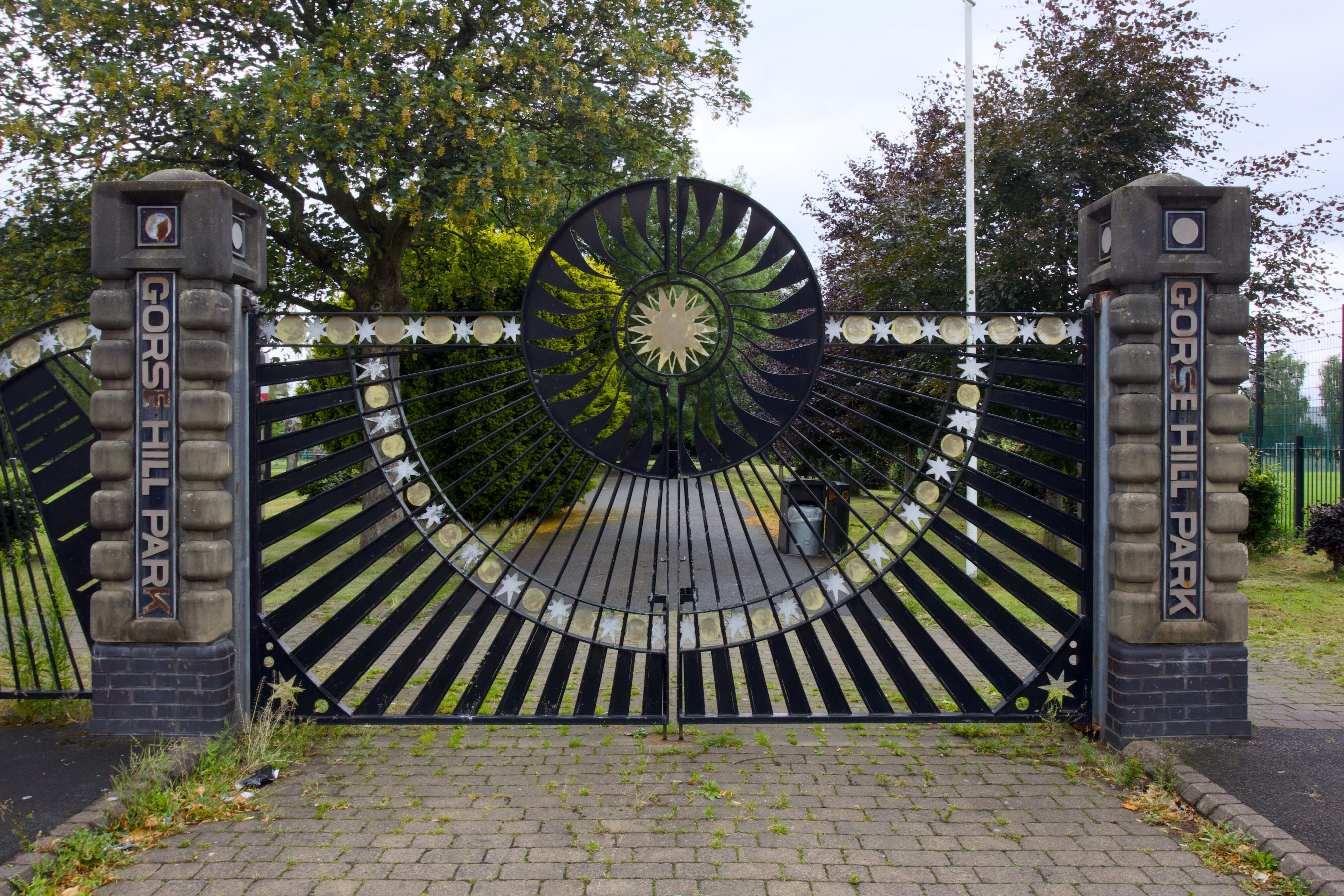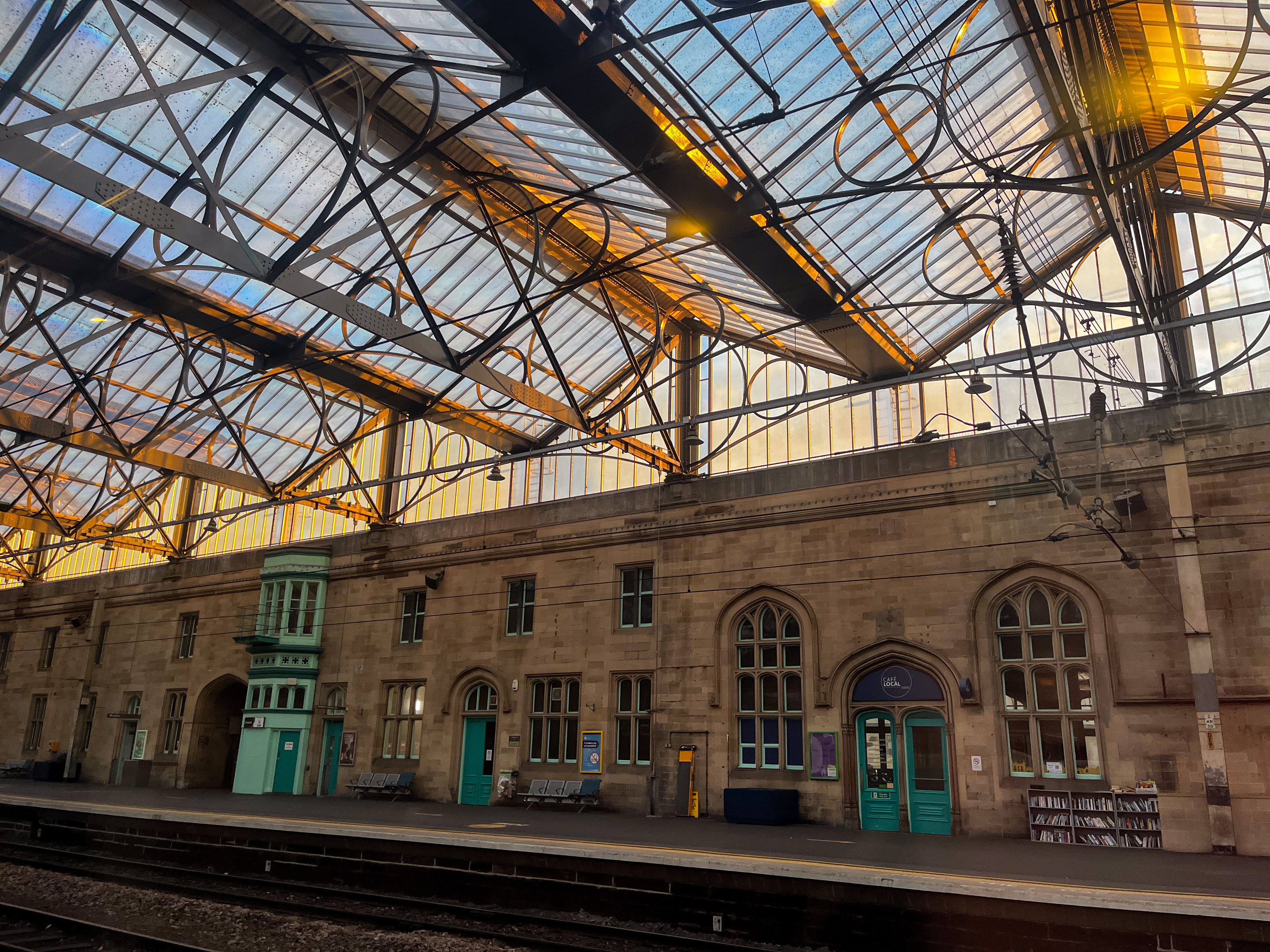
That’s enough of Glasgow – one more from the way home. I’ve passed through Carlisle station many times, but I’ve never noticed the spiral motif in the roof.

That’s enough of Glasgow – one more from the way home. I’ve passed through Carlisle station many times, but I’ve never noticed the spiral motif in the roof.
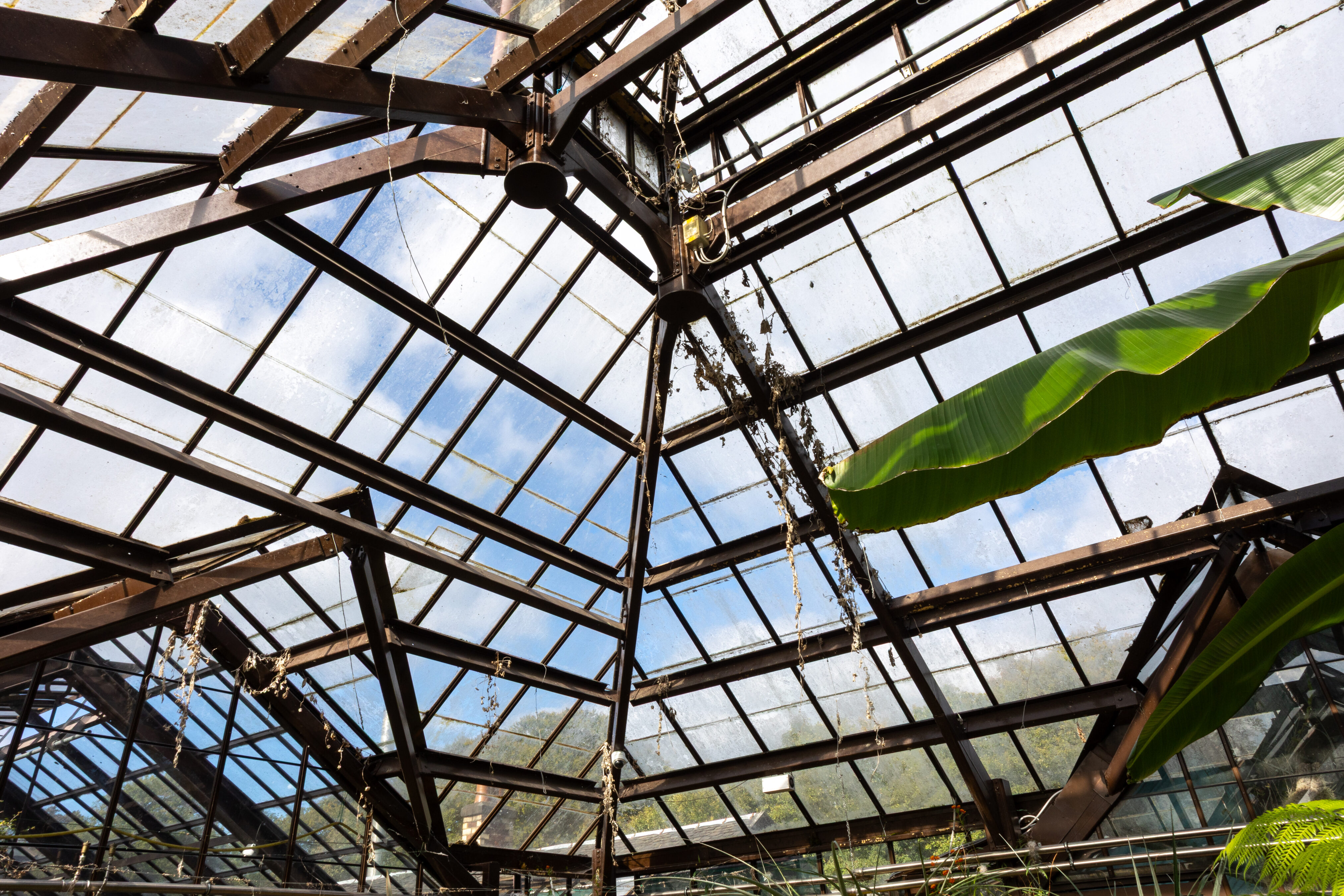
Continuing my weakness for glasshouses.
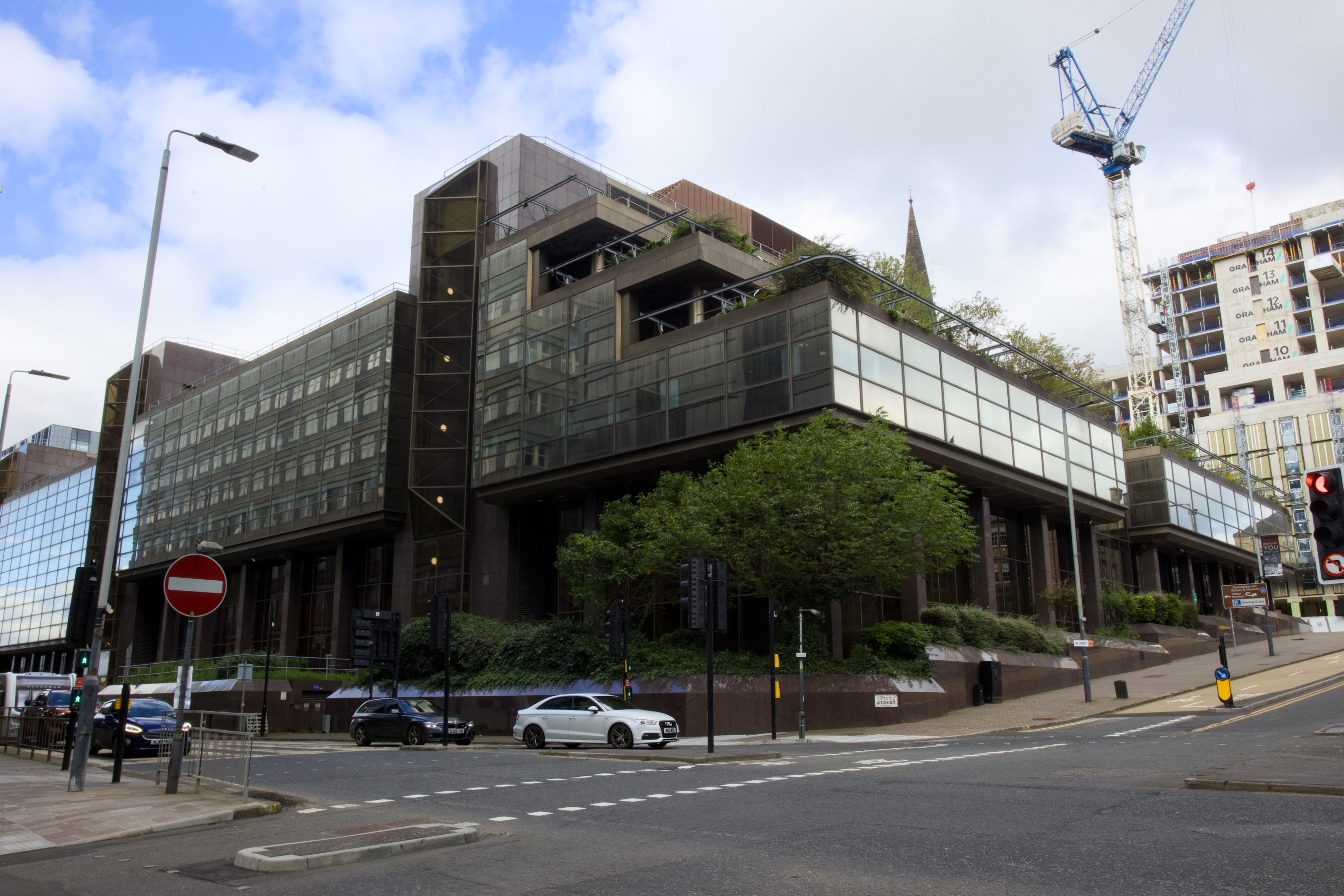
Originally built as the HQ of Britoil (later BP) in the early 1980’s, and subsequently acquired by Abbey National (later Santander) in 1993, this was once the largest single-occupant building in the UK.
Though not modernist, this is the kind of modern building I enjoy. The darkened glass and brown detailing give it dramatic mood, it fits excellently into the uneven site, and the integrated nature softens it.
A planning application (filled with historical information and imagery, which I am thankful for) was filed in March/April 2024, but when I visited in October 2025, it didn’t appear that any work had taken place. The application is for a full internal refurbishment as well as a new façade with a curtain system providing improved energy performance. If I knew the external appearance was at risk, I’d have taken better pictures, but hey — it might still look the same by the time I return to Glasgow.
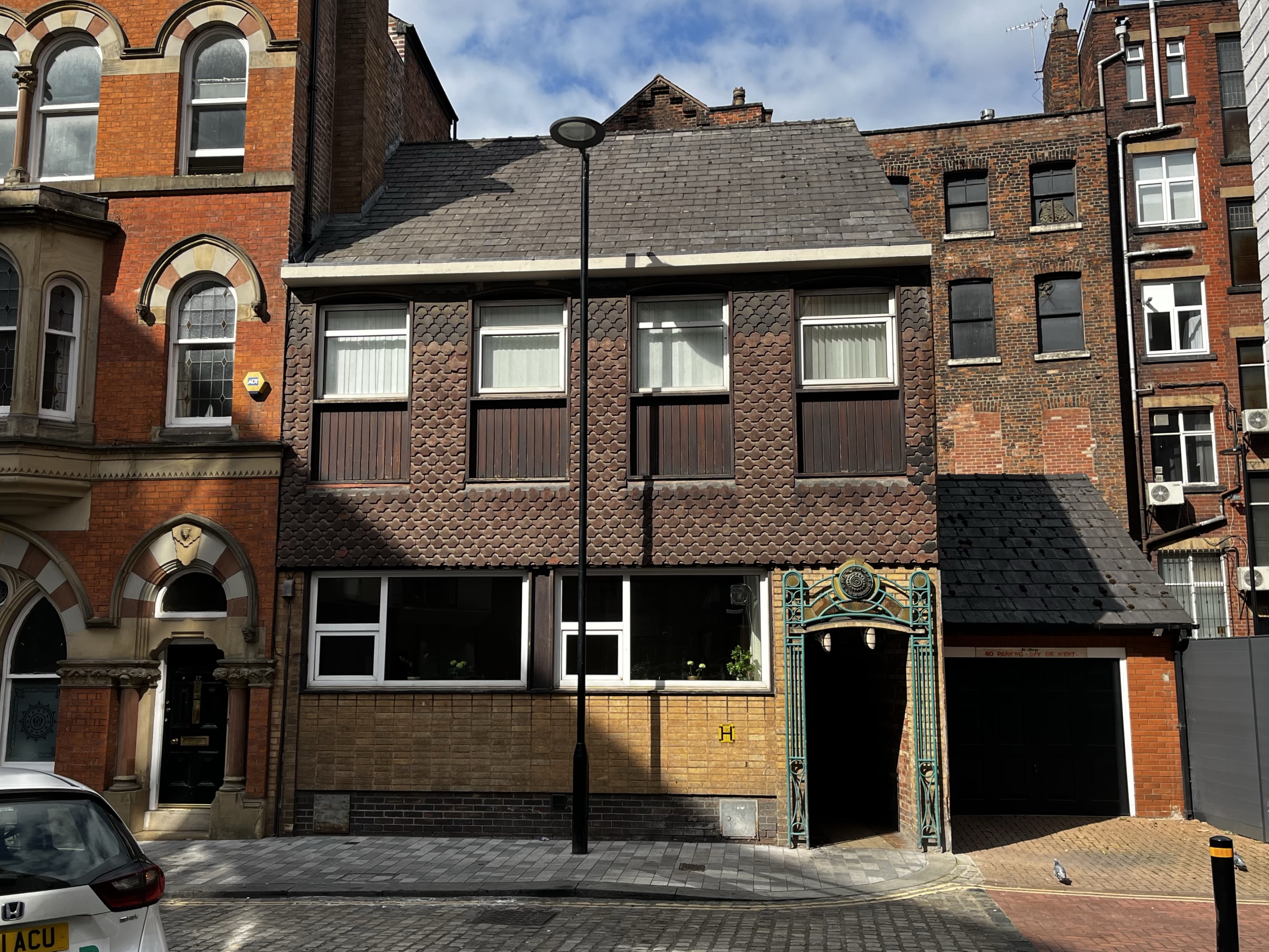
Walking out of my hotel, I found this charmingly detailed building, featuring horizontal brickwork on the ground floor, and wooden panelling and shingles on the first floor. Appearing to be used as a dwelling, I was surprised to see it amongst much larger, and much older (not least St Mary’s RC Church of 1794, next door but one) buildings, as well as modern 21st century high rises of central Manchester.
Mulberry Passage, which passes underneath it, is also part of a network of passages decorated with public art in tribute to scientist John Dalton.
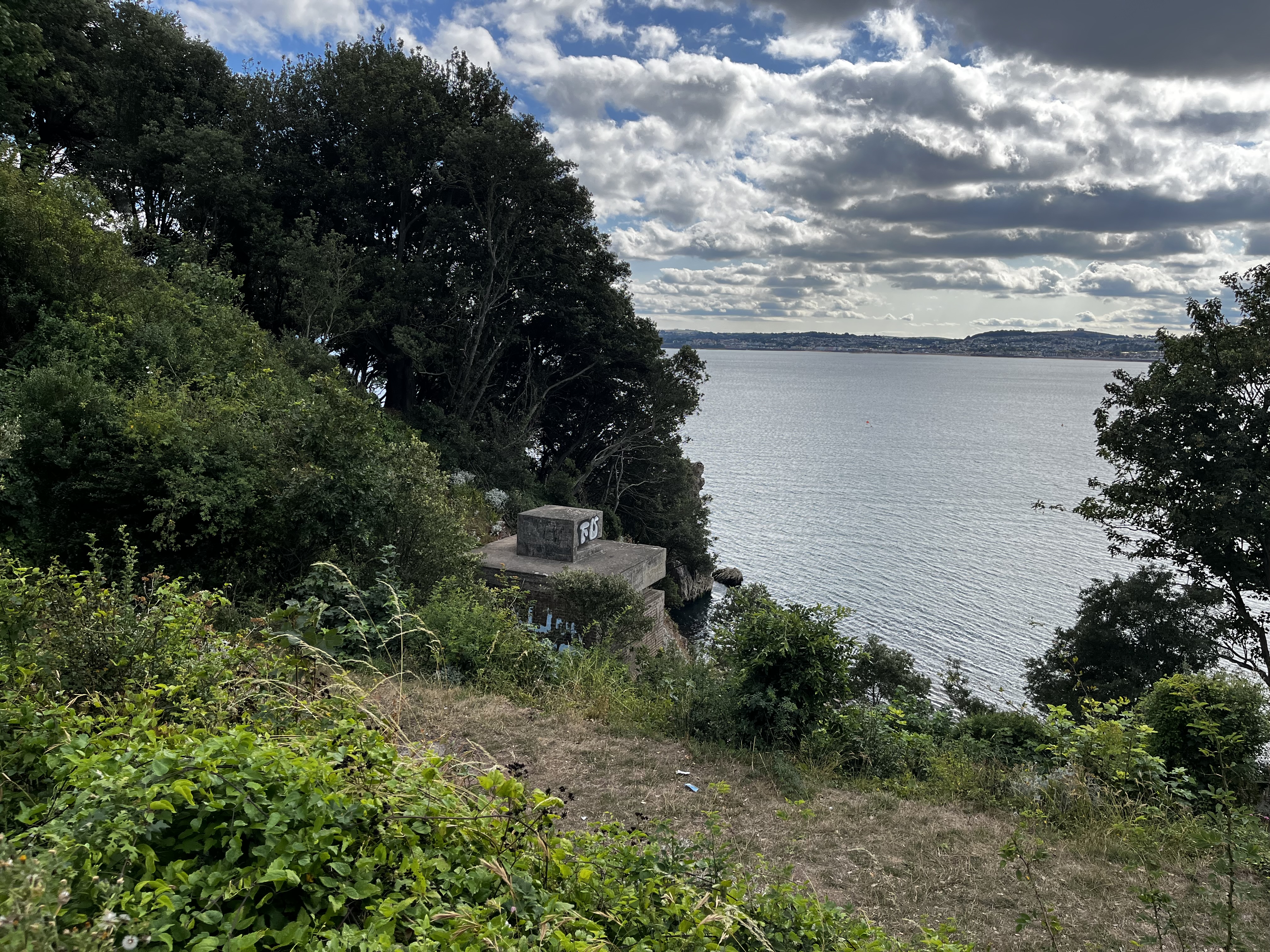
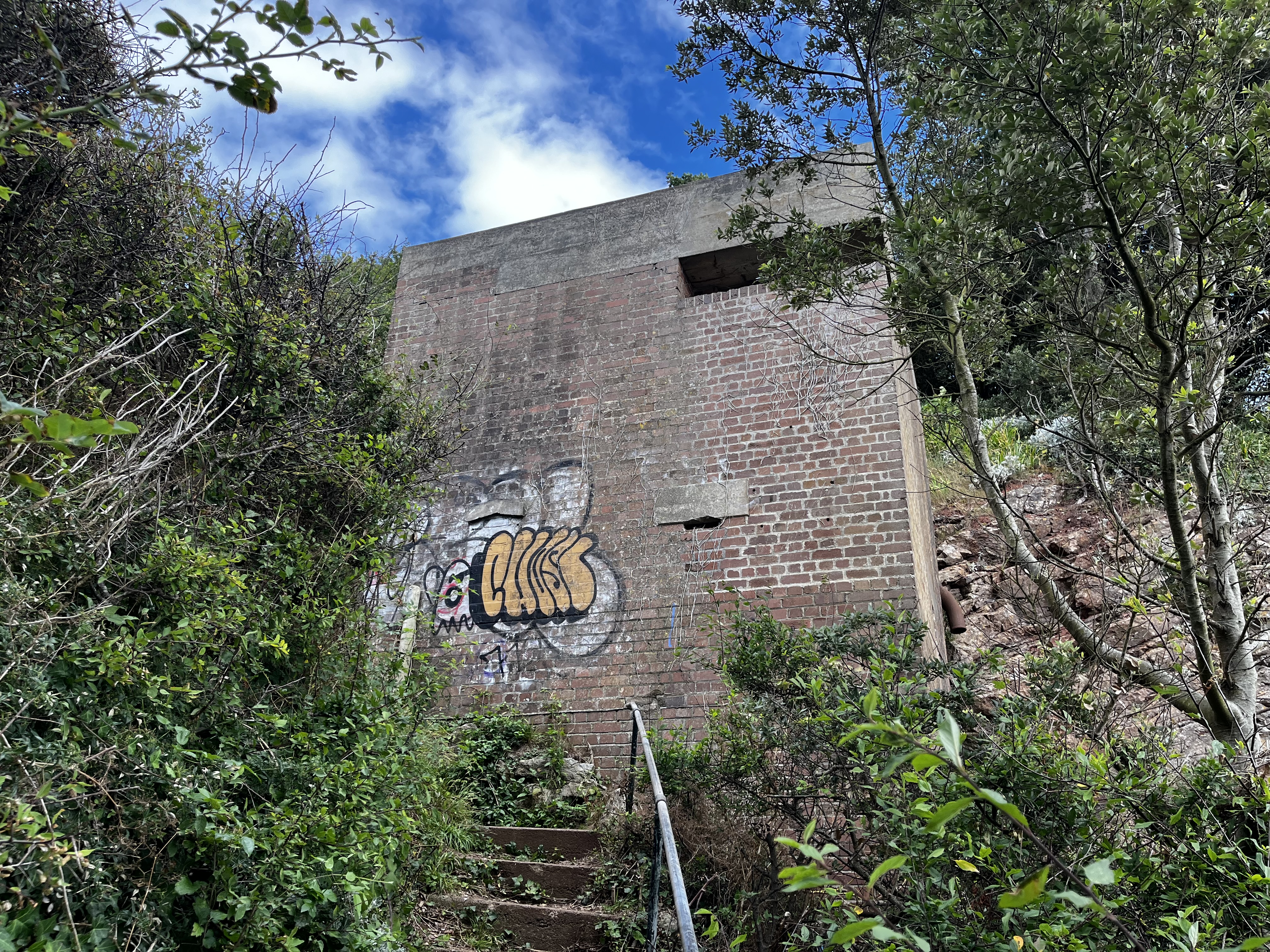
Holiday pictures of World War II brick pillboxes: 2
Holiday pictures of my partner and I: 1
These structures formed part of Torbay Home Guard’s World War 2 defences. From here, sea mines protecting Torquay Harbour could be remotely detonated in the event of an attack.
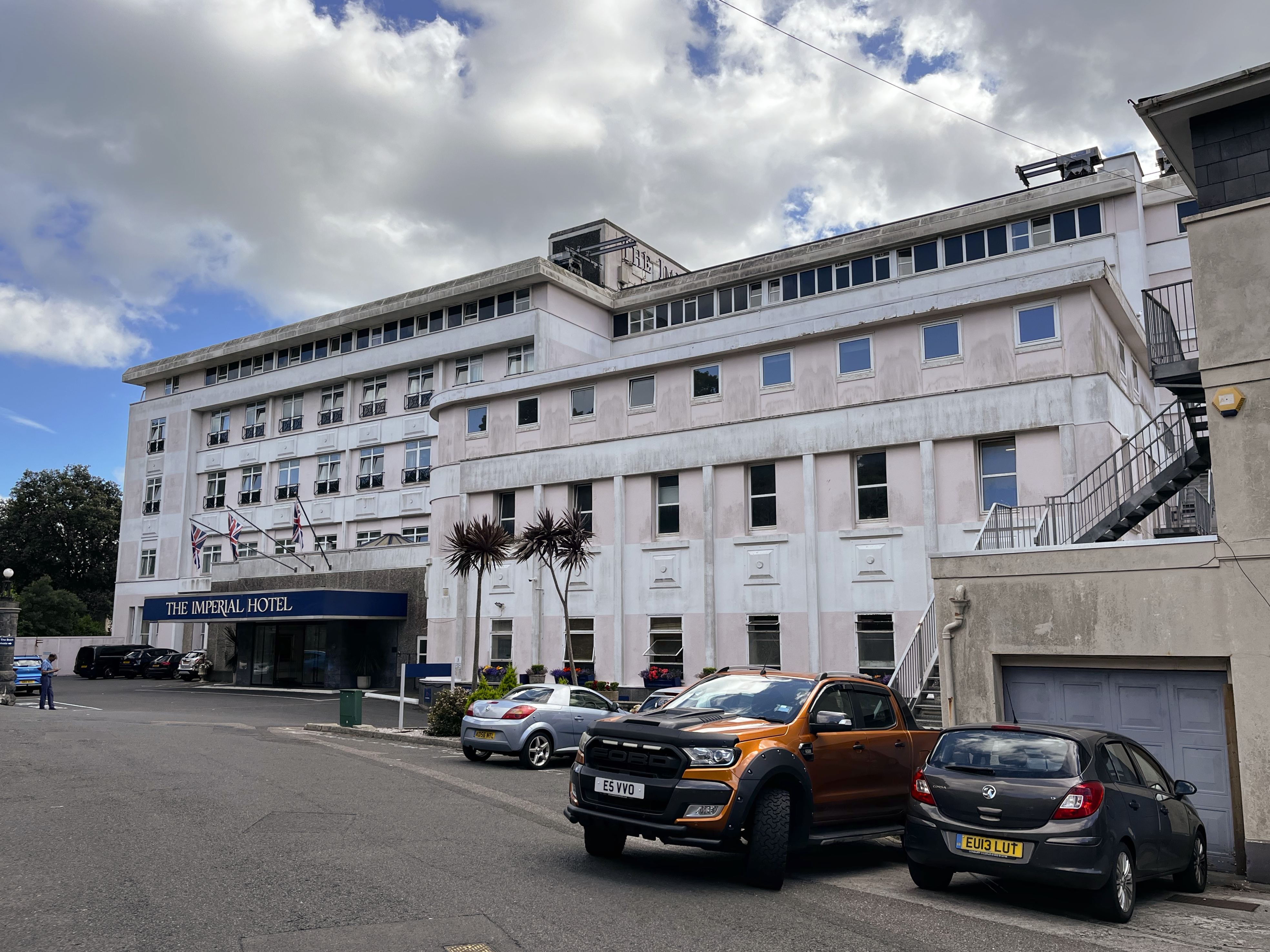
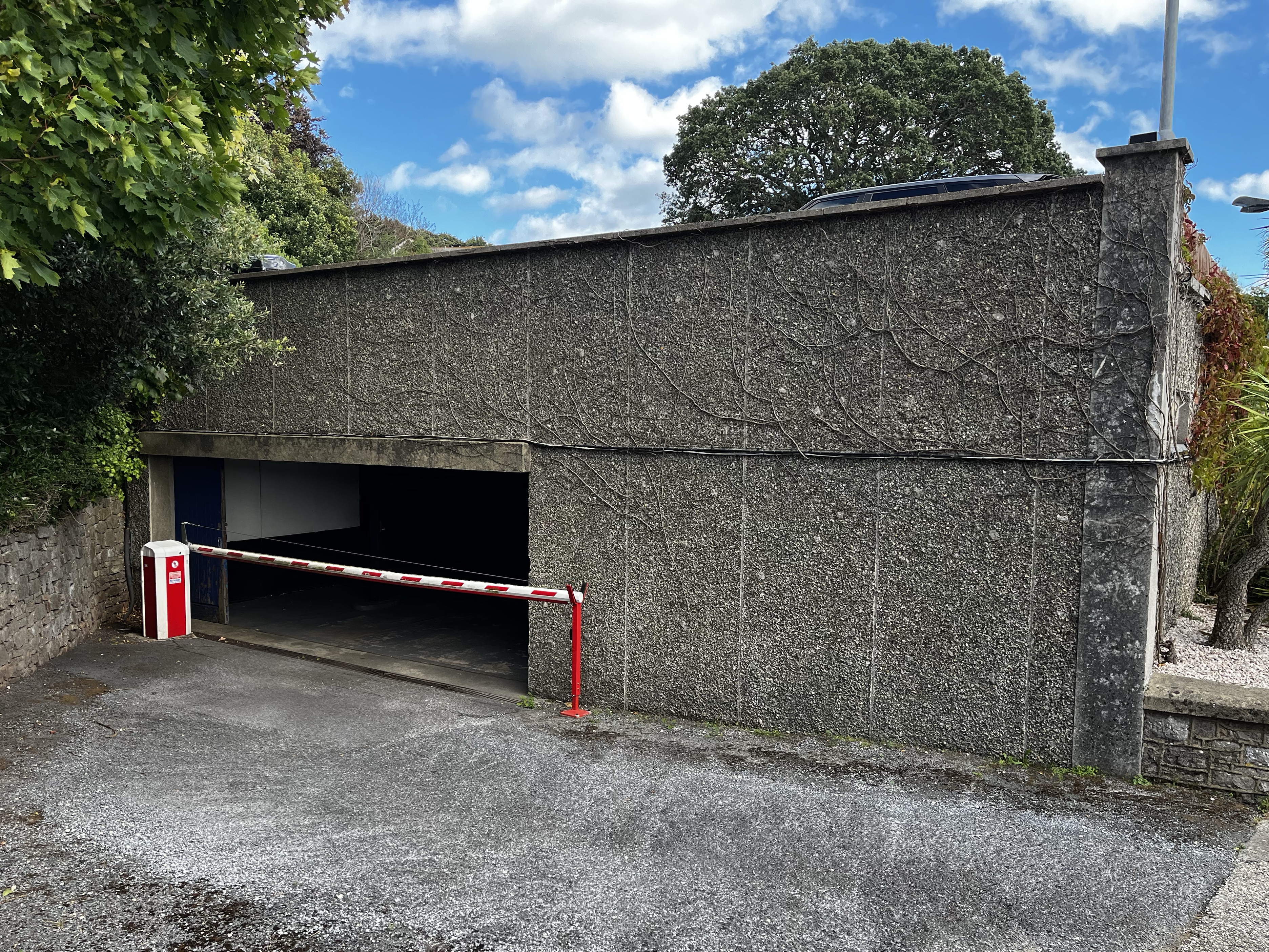
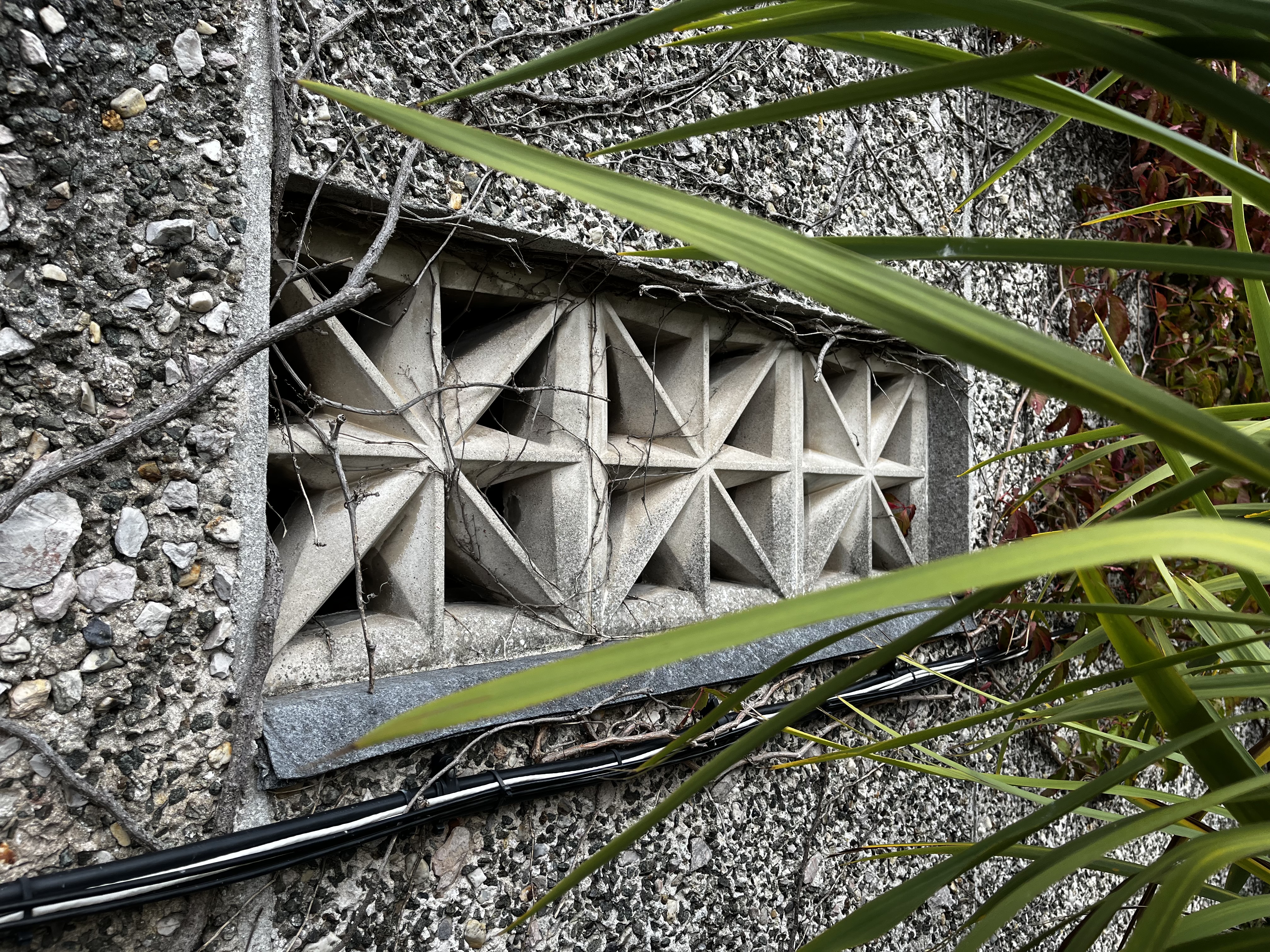
1860’s hotel with a faded 1960’s exterior, pleasantly squat multistorey car fortress, and decorative vents.
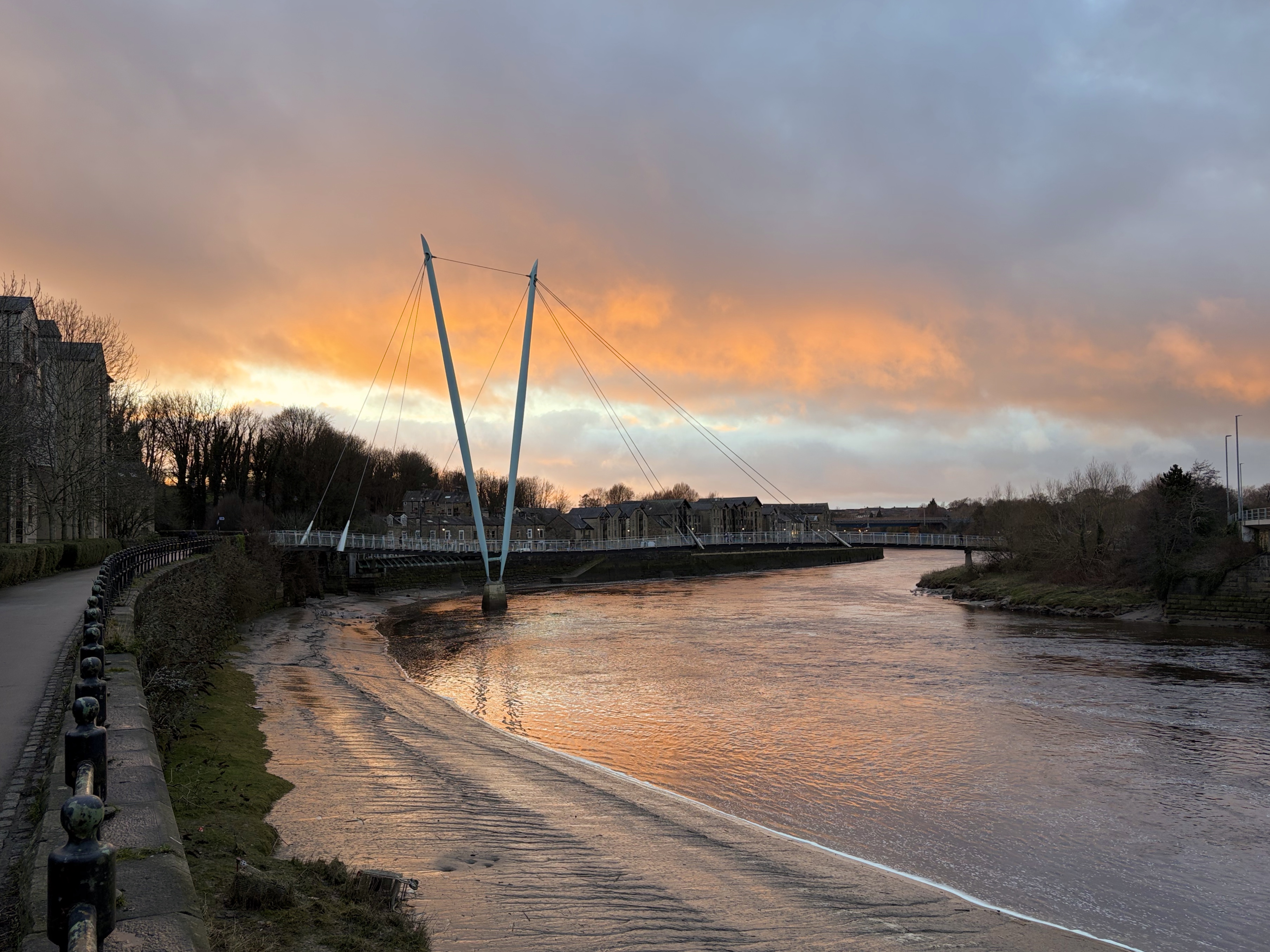
Happy birthday, bridge! Lancaster’s Millennium Bridge opened on this day 25 years ago, and celebrated with a beautiful winter sunset on my way back from the supermarket.