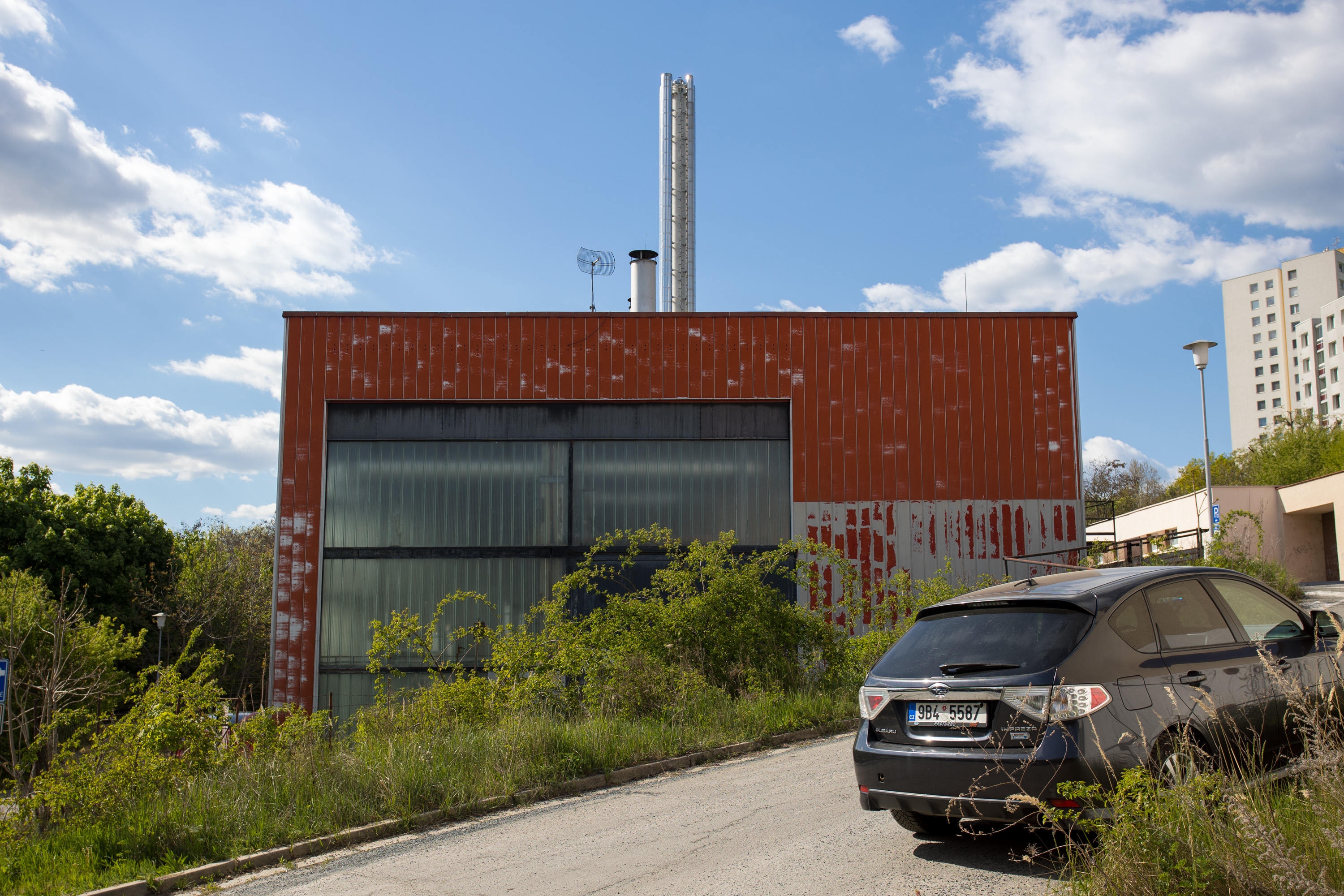
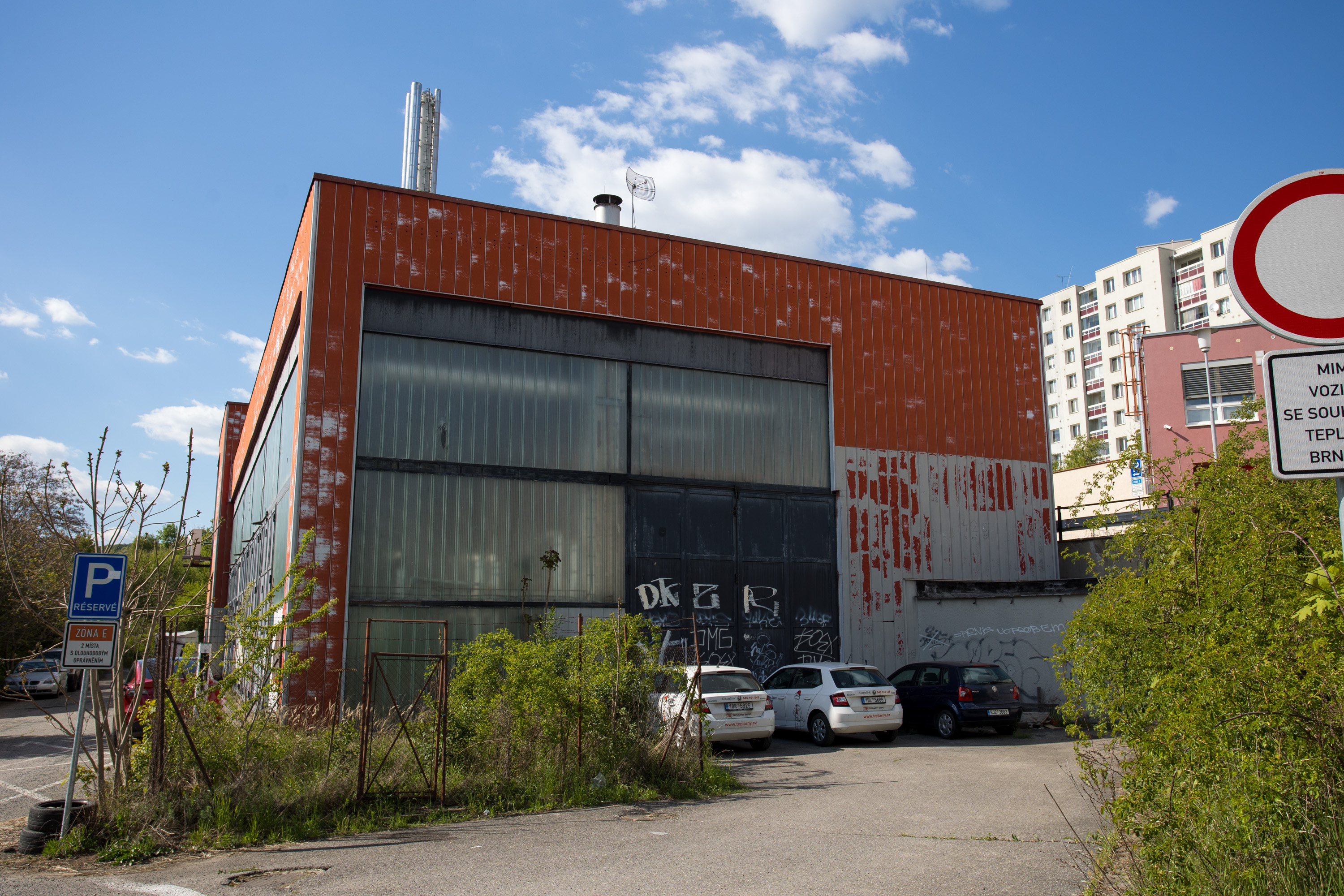

Cathedrals everywhere for those with eyes to see.
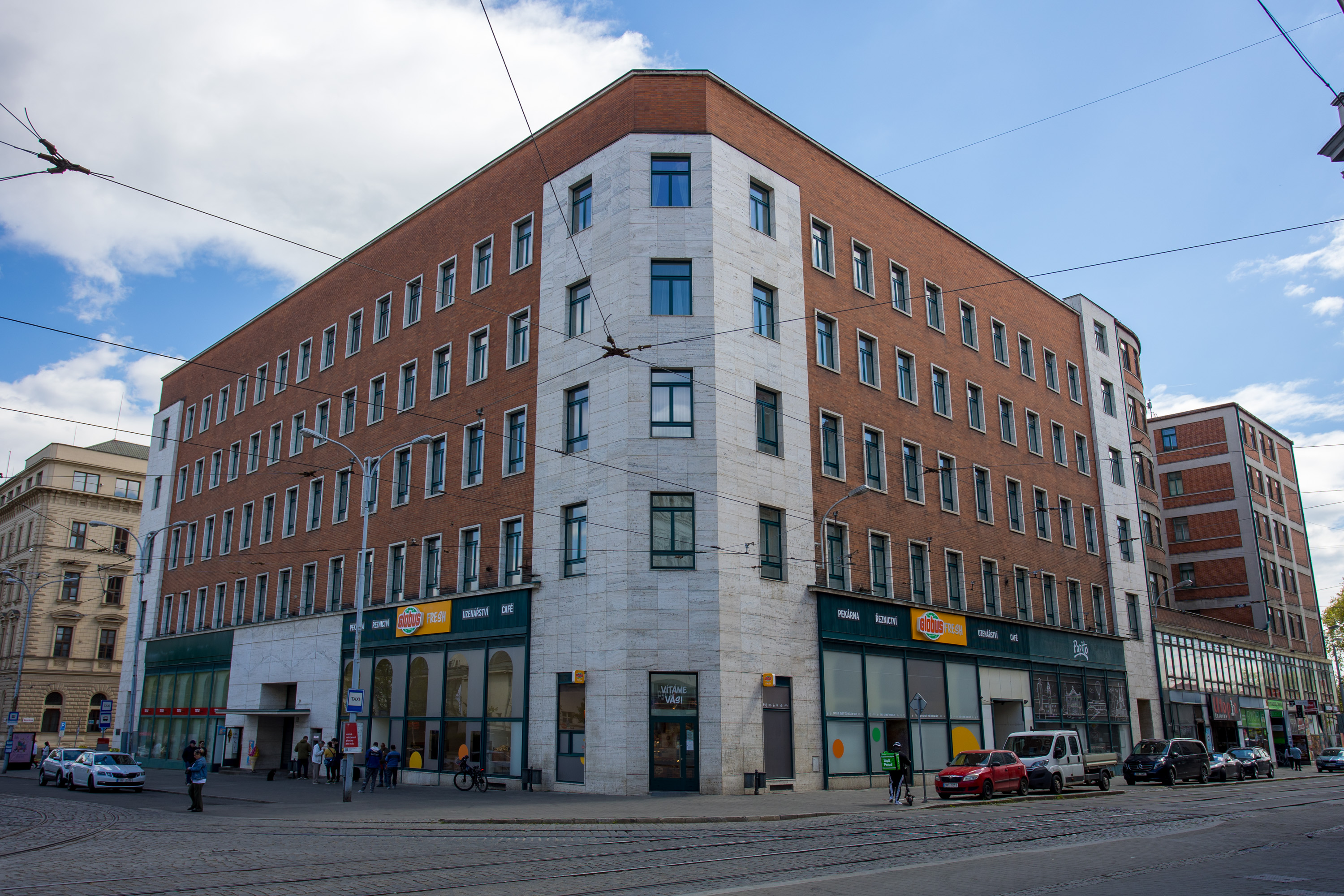
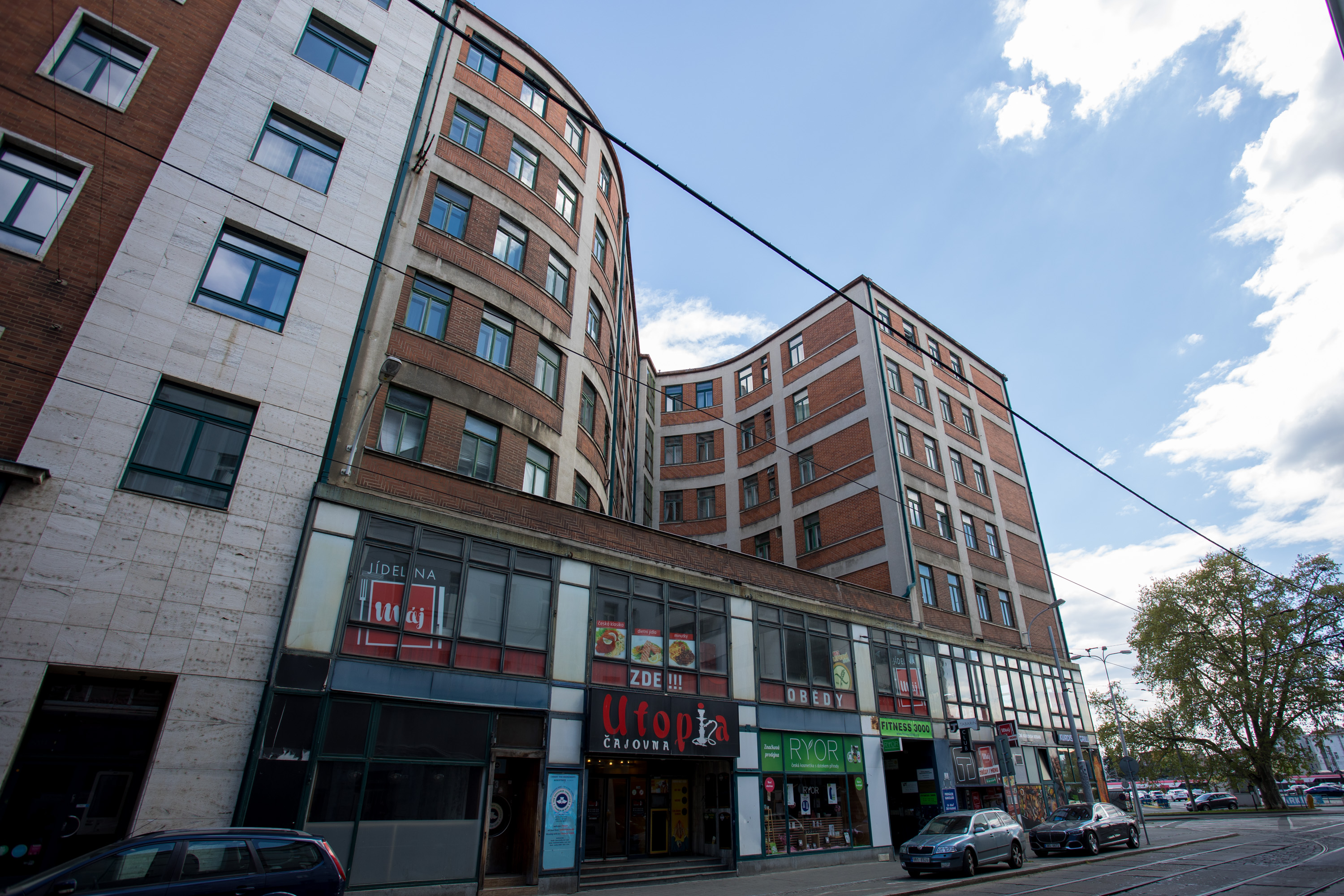
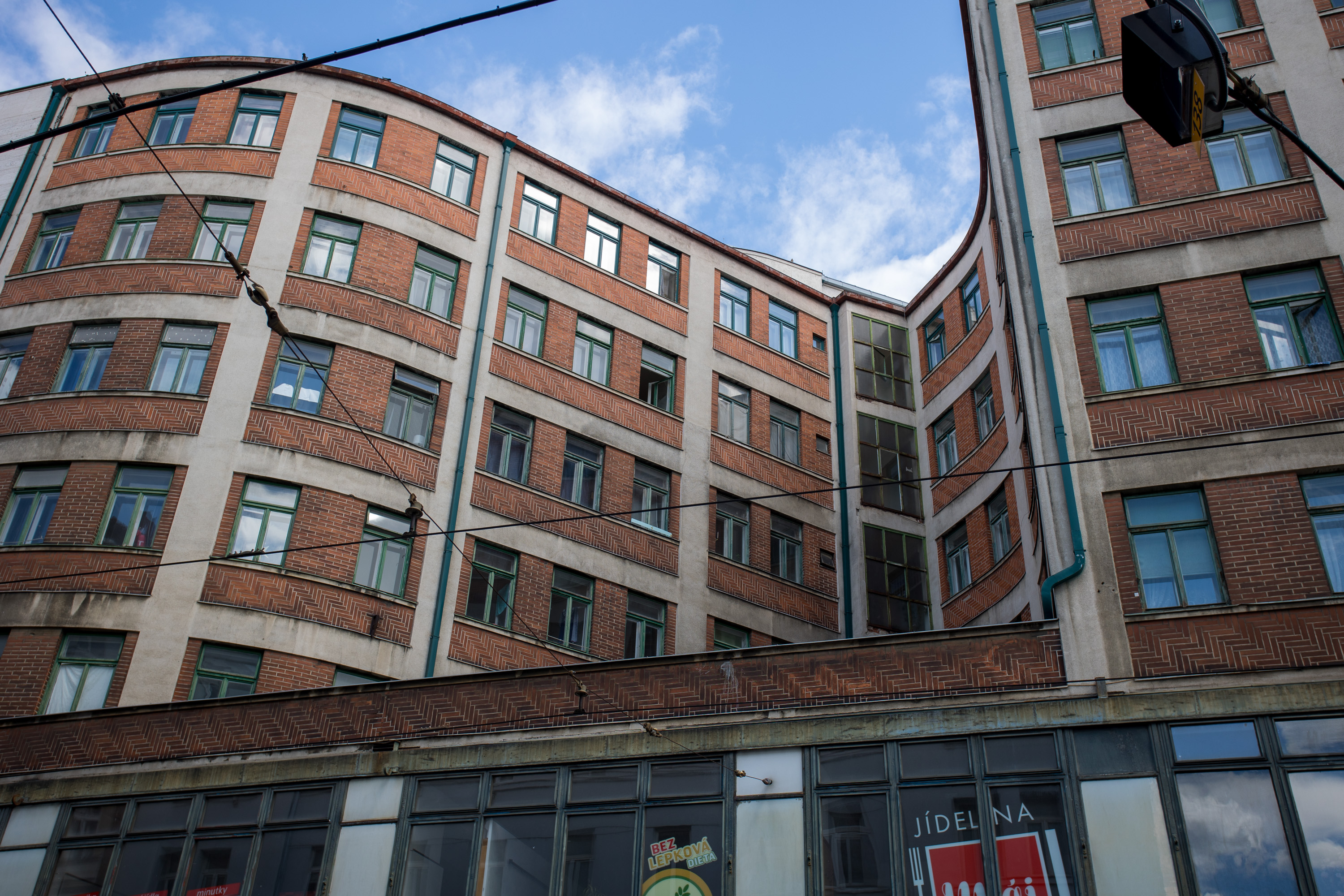
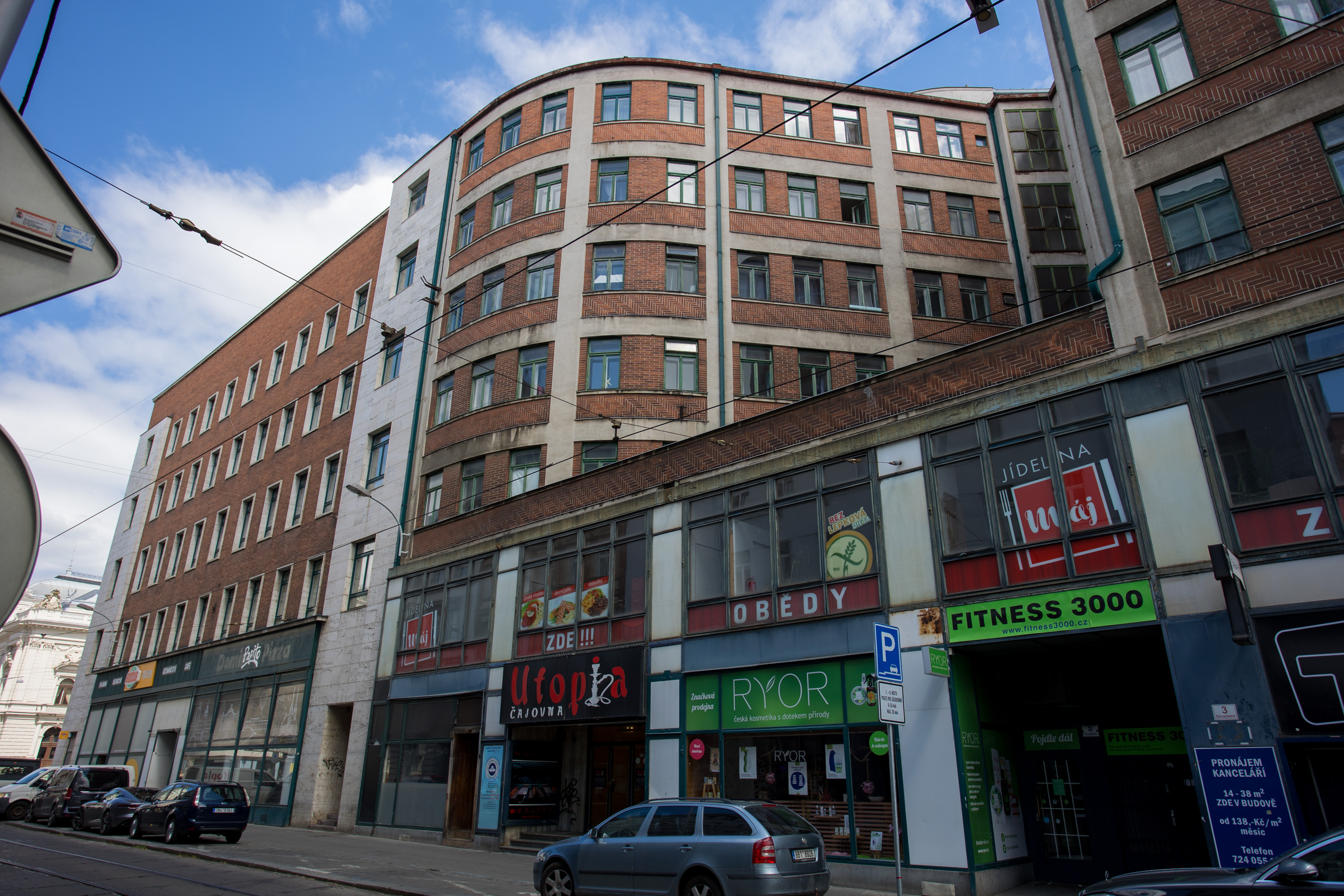
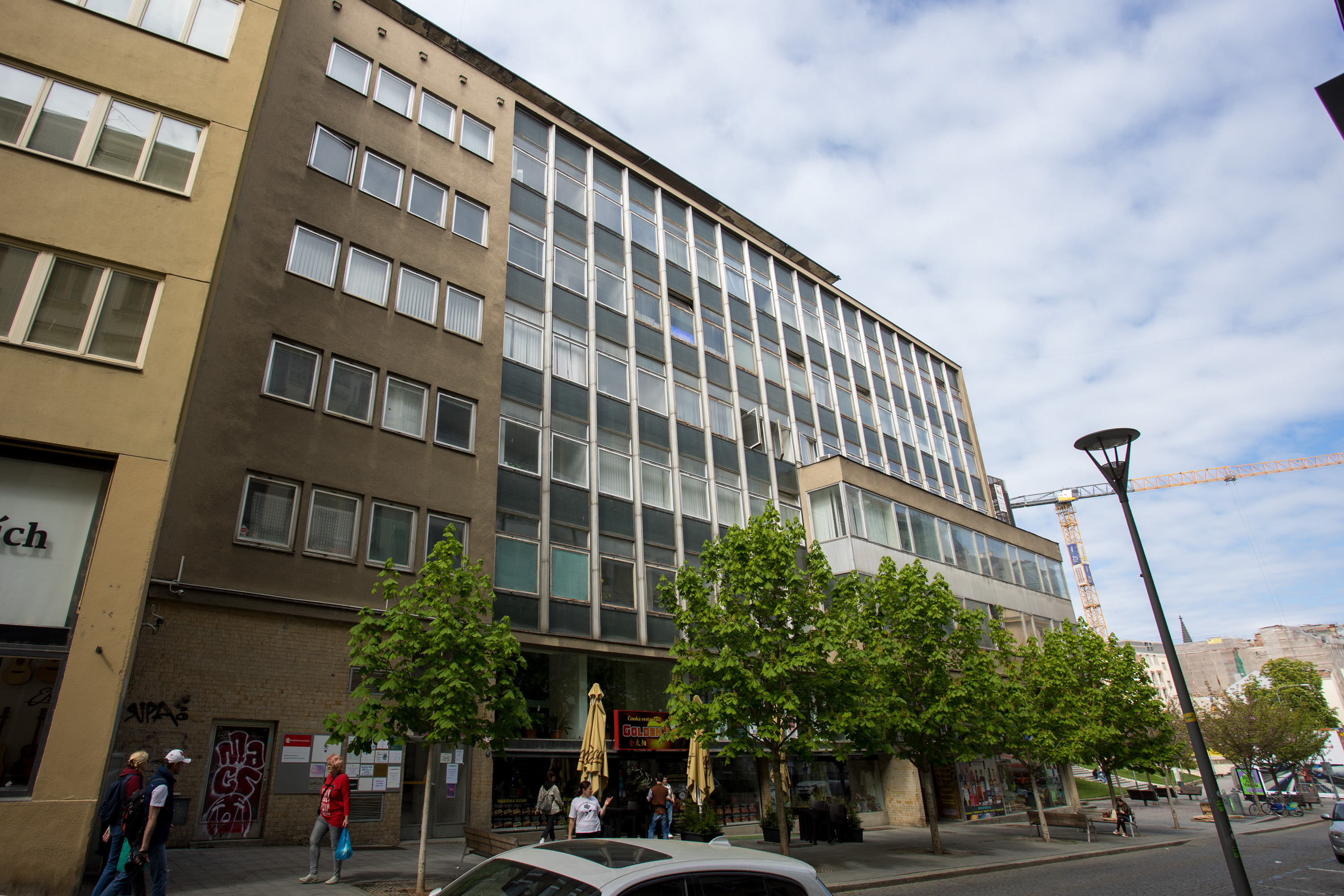
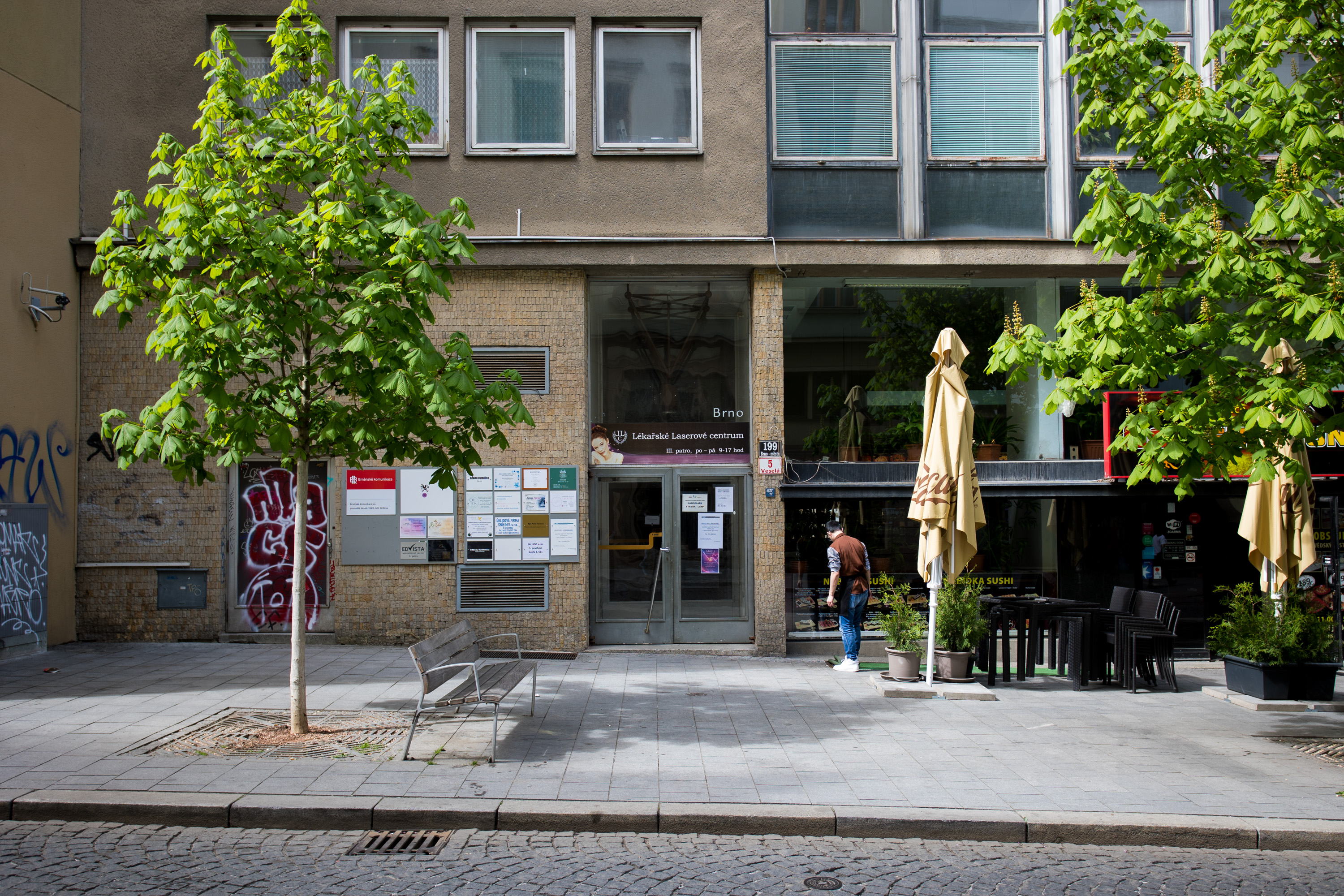
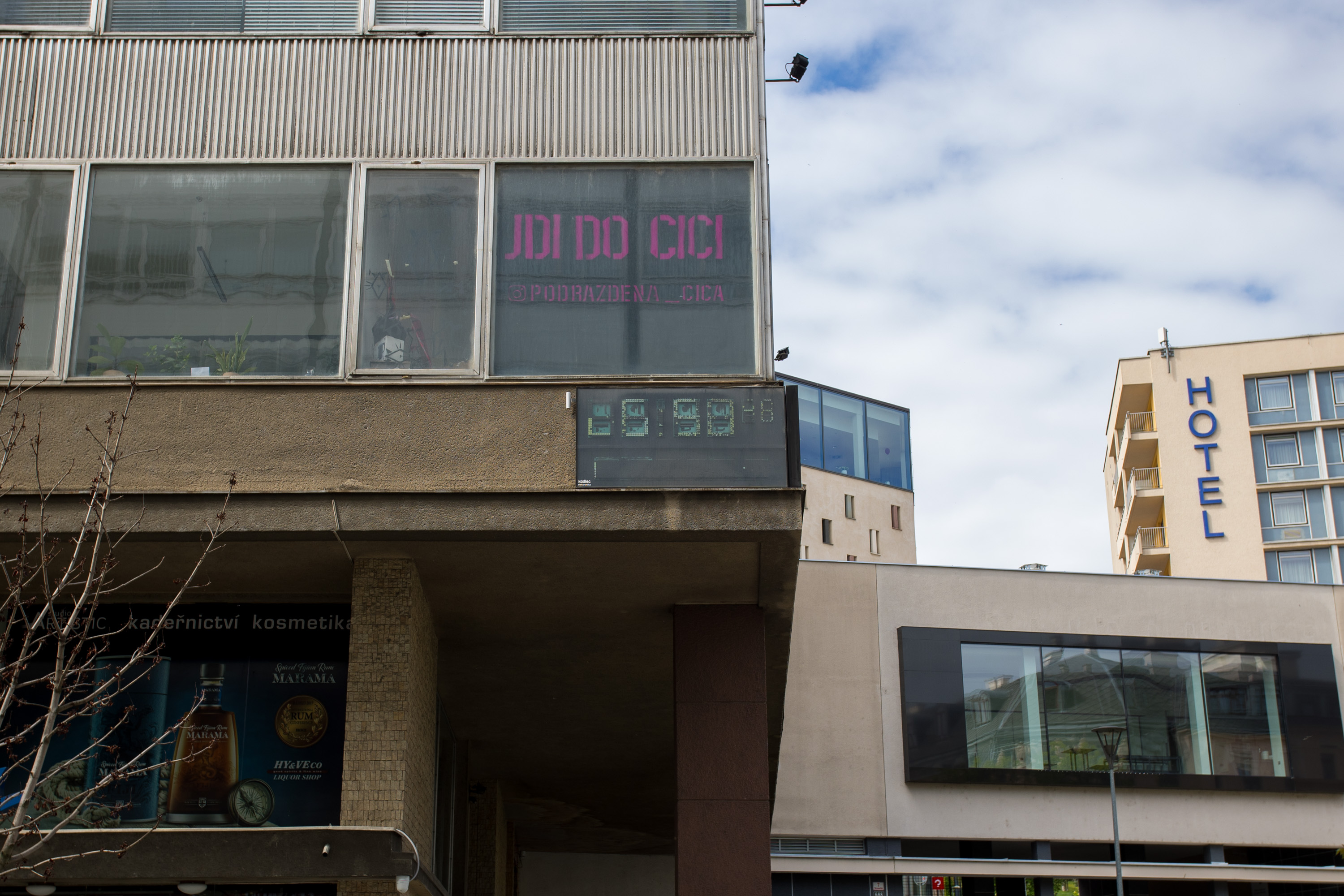
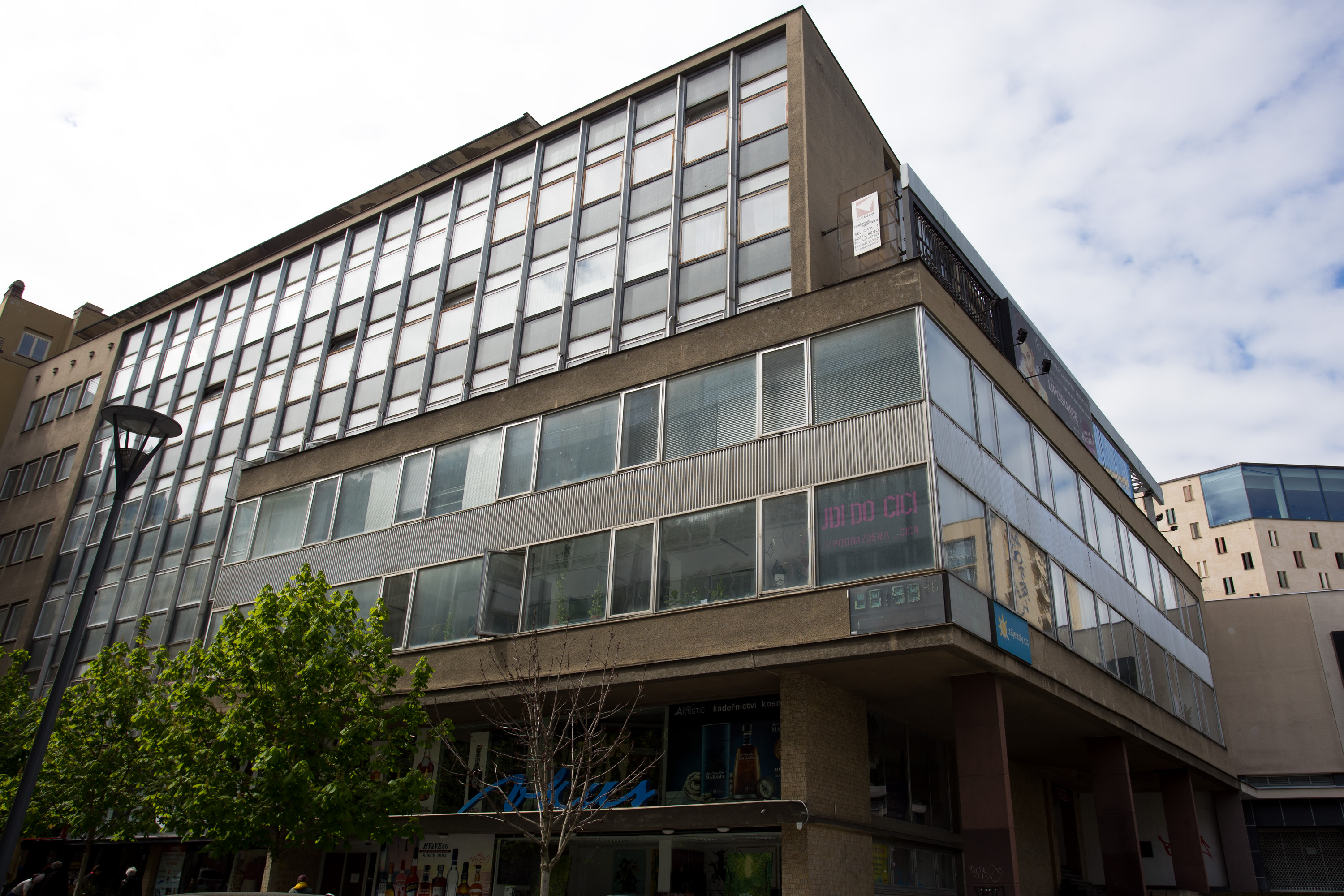
Palác Morava is a building of two halves – an older 6 storey half (the last 3 pictures here, built 1929), and a newer 4 storey half (the first picture, built 1936).
It’s mainly the older part of the building which appeals to me – it’s a concrete frame clad in attractive decorative patterned brick, and the inward curve of the upper storeys provides visual interest.
The building is surrounded by tram tracks on all sides, which does make it rather difficult to photograph cleanly.
Further reading:
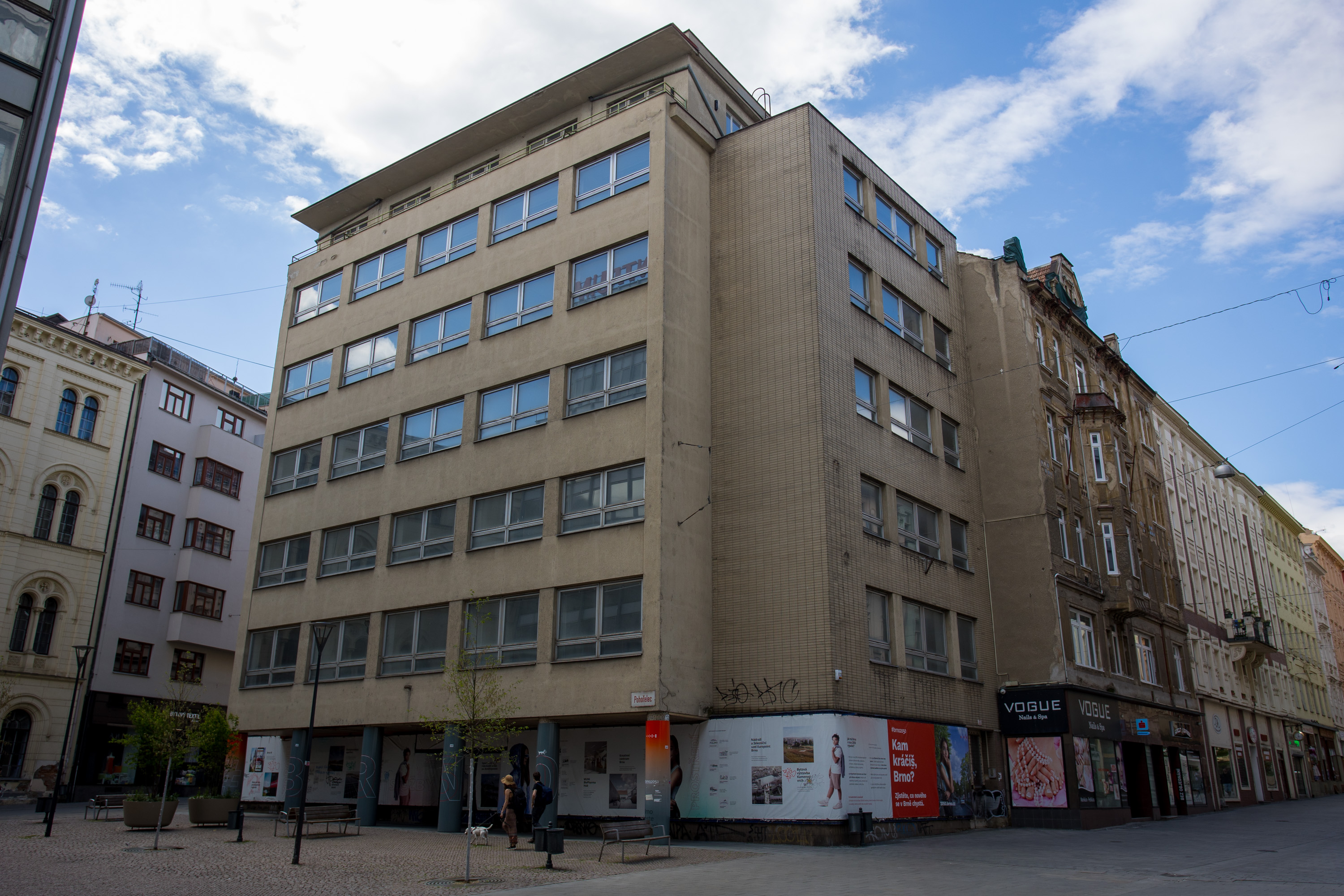
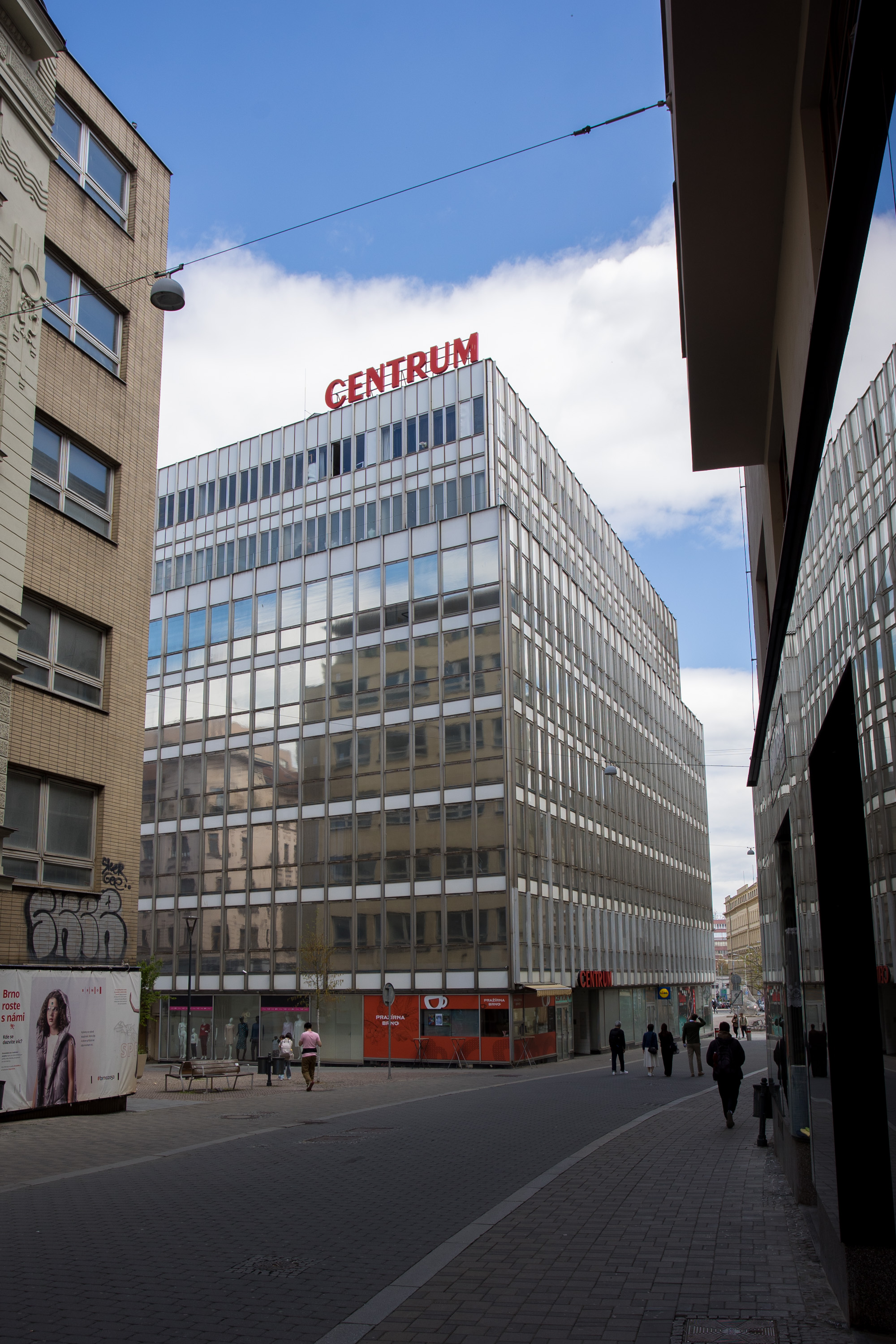
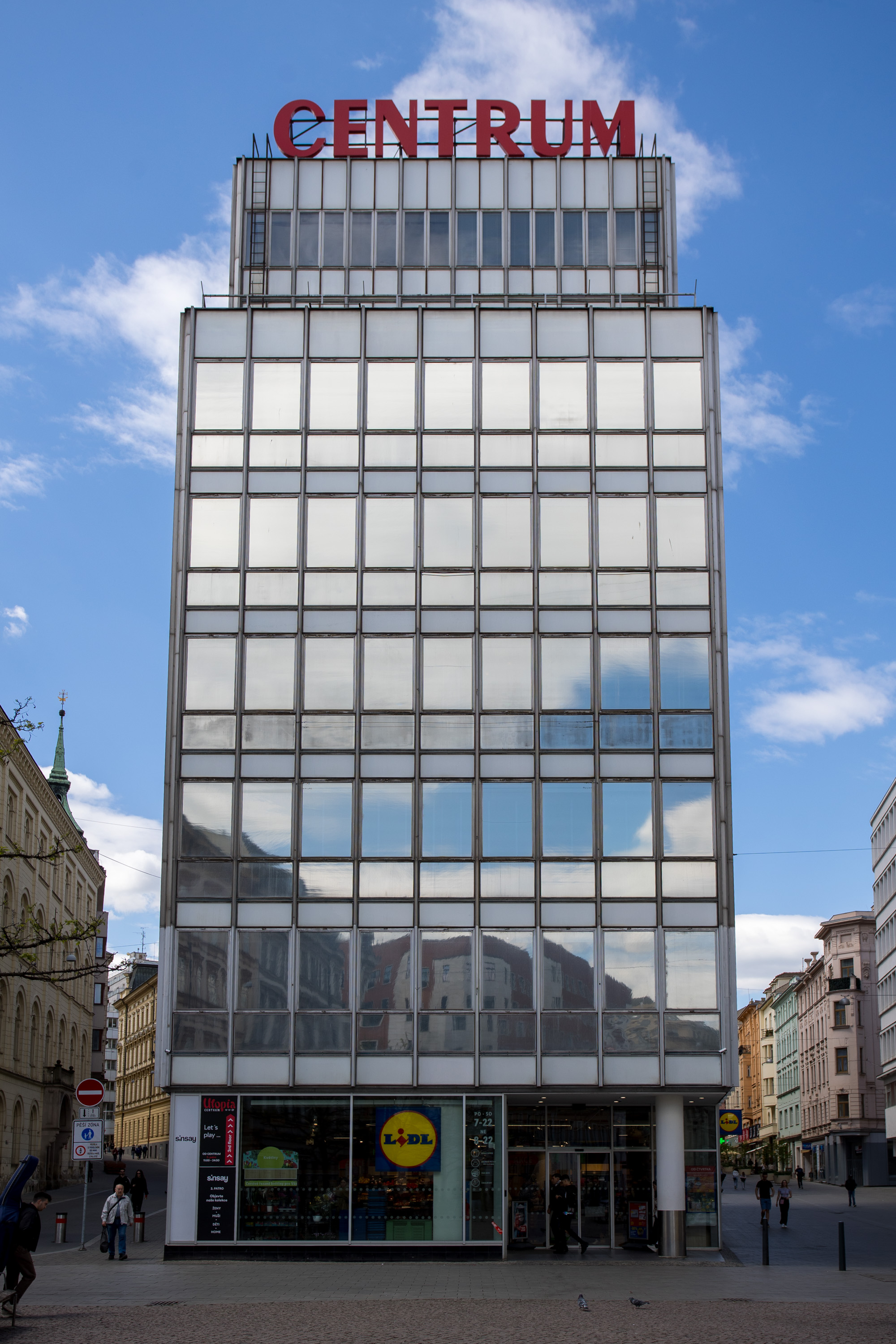
Built in 1930-31 as a building for the shoe manufacturer Baťa — I’ve written about their Centrální sklad obuvi in Zlín before. It was intended to be the first skyscraper in Europe, at 28 floors. Ultimately, construction was stopped at only 8 floors, due to issues with the subsoil and building foundations, and likely the controversial nature of the project as well, as the site was within the Brno Urban Conservation Area. Ah, well, perhaps they should’ve tried building it in the Northern Quarter instead.
In the 1960s, the building was remodelled, losing its’ trademark black and white striped look with a new all-glass facade.
Further reading:
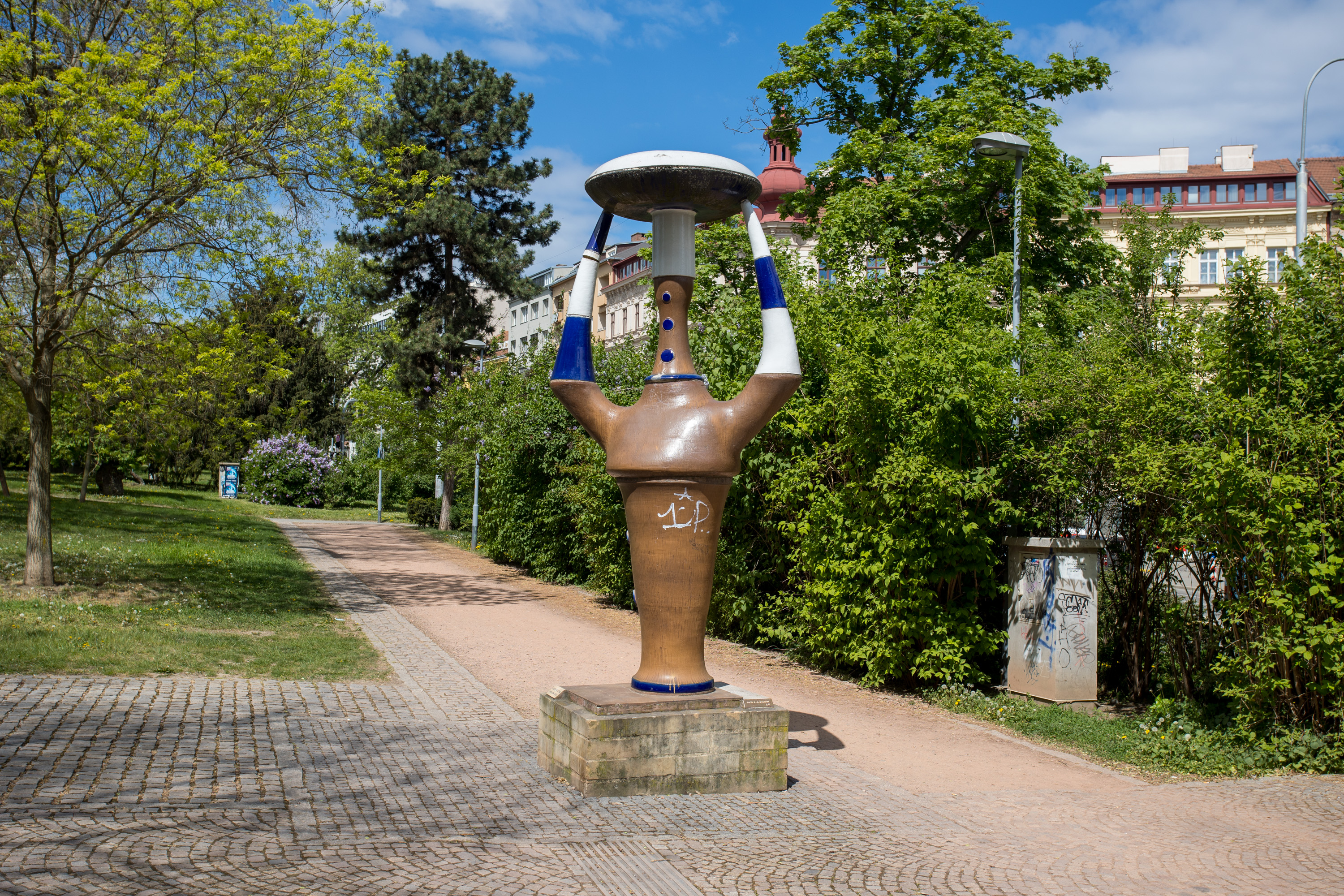
This is one of a series of four statues in Park Koliště, Brno by ceramicist, costume designer, and Brno-native Tamara Divišková. Two of the statues, including this one, “The Queen of the Night”, represent characters from Mozart’s opera The Magic Flute; the remaining two are a bird feeder and bird bath. The statues date from approximately 2002.
The statues are made from glazed ceramic fired in a ceramic water pipe factory in Poštorná, with a polystyrene foam core adding durability. Still, the statues are targeted by vandals. Ms Divišková passed away just last month, in September 2026, but during her lifetime she was known to clean the statues herself.
Knowing the research behind this post, they make perfect sense, but in situ they read as fantastical, almost fairy-tale objects. Beyond the obvious bird feeder and bird bath, all of them feel made with birds in mind. The Queen of the Night was even meant to have flowers growing from her head. That suits their setting in a park, and the artist herself is known to have topped up the feeder with birdseed.
One more fun fact: her father was an early Czech racing driver Karel Divíšek.
Further reading:
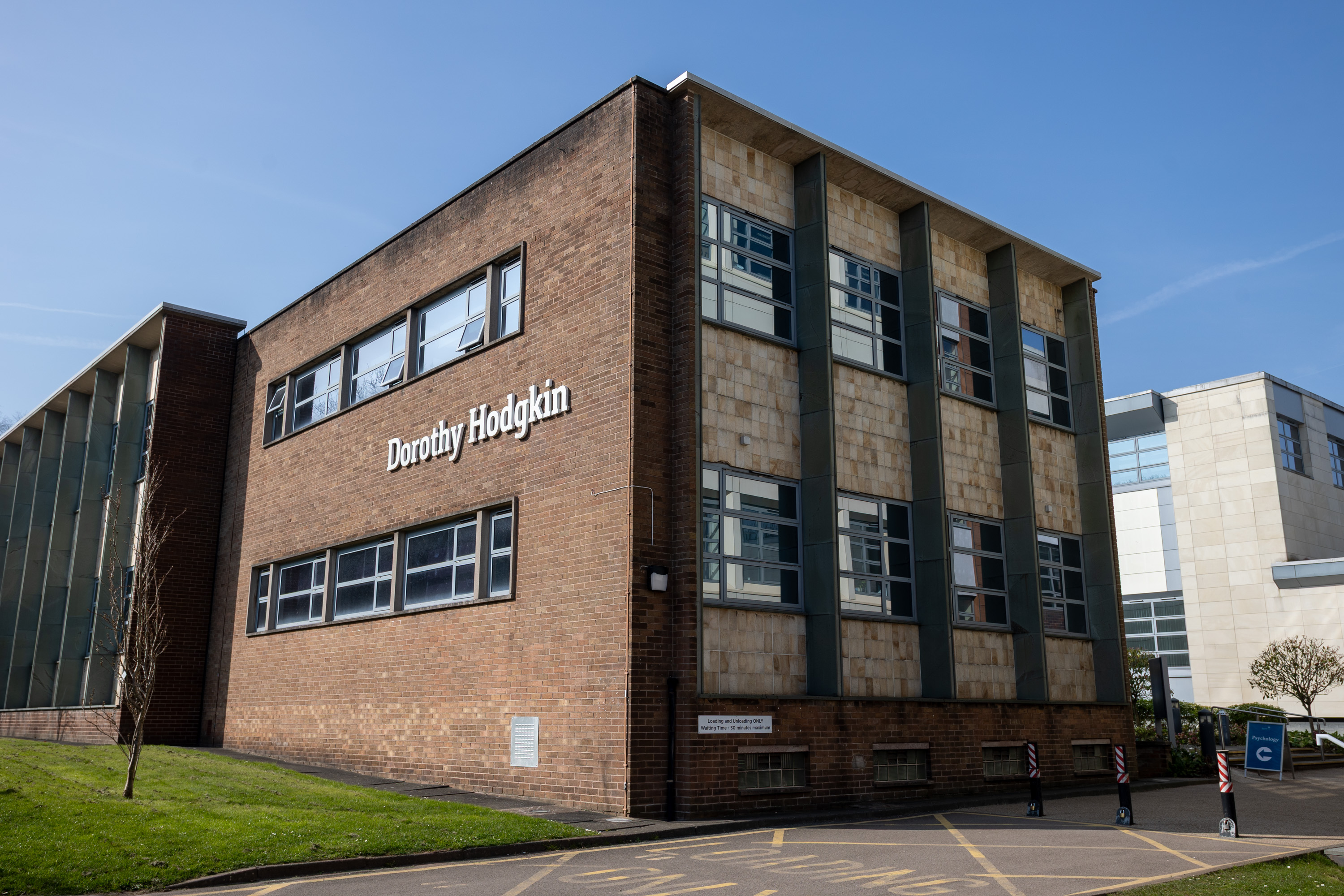
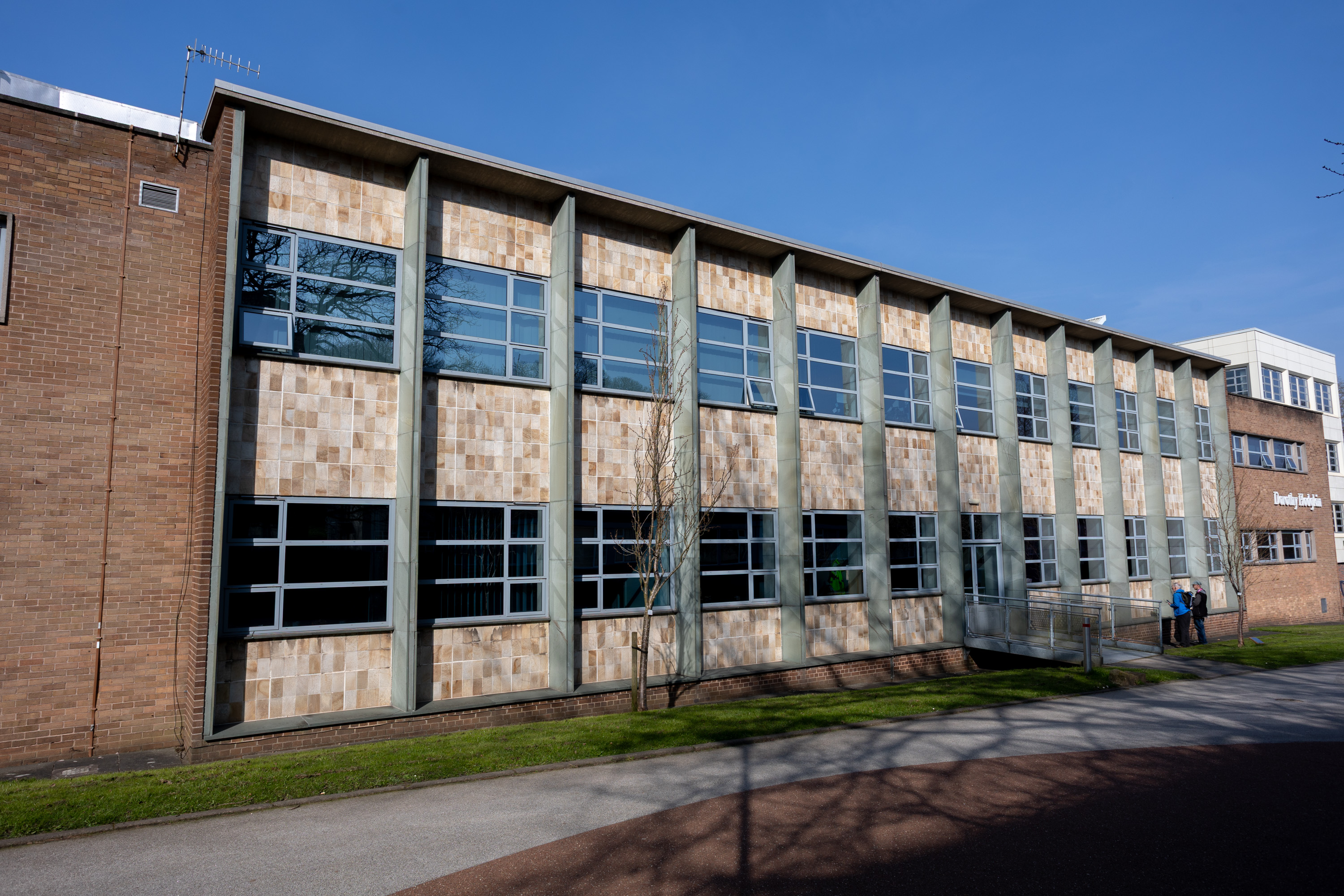
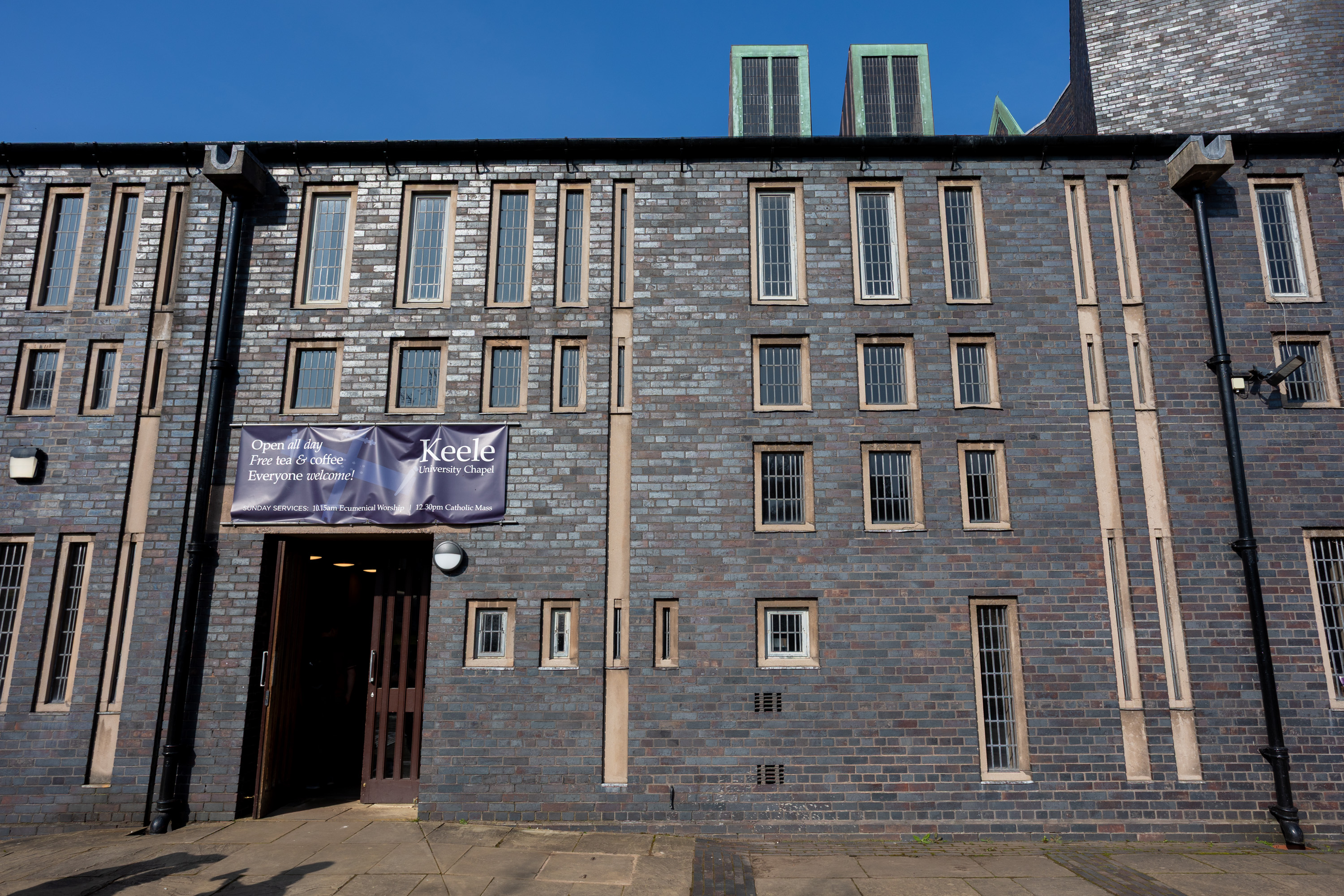
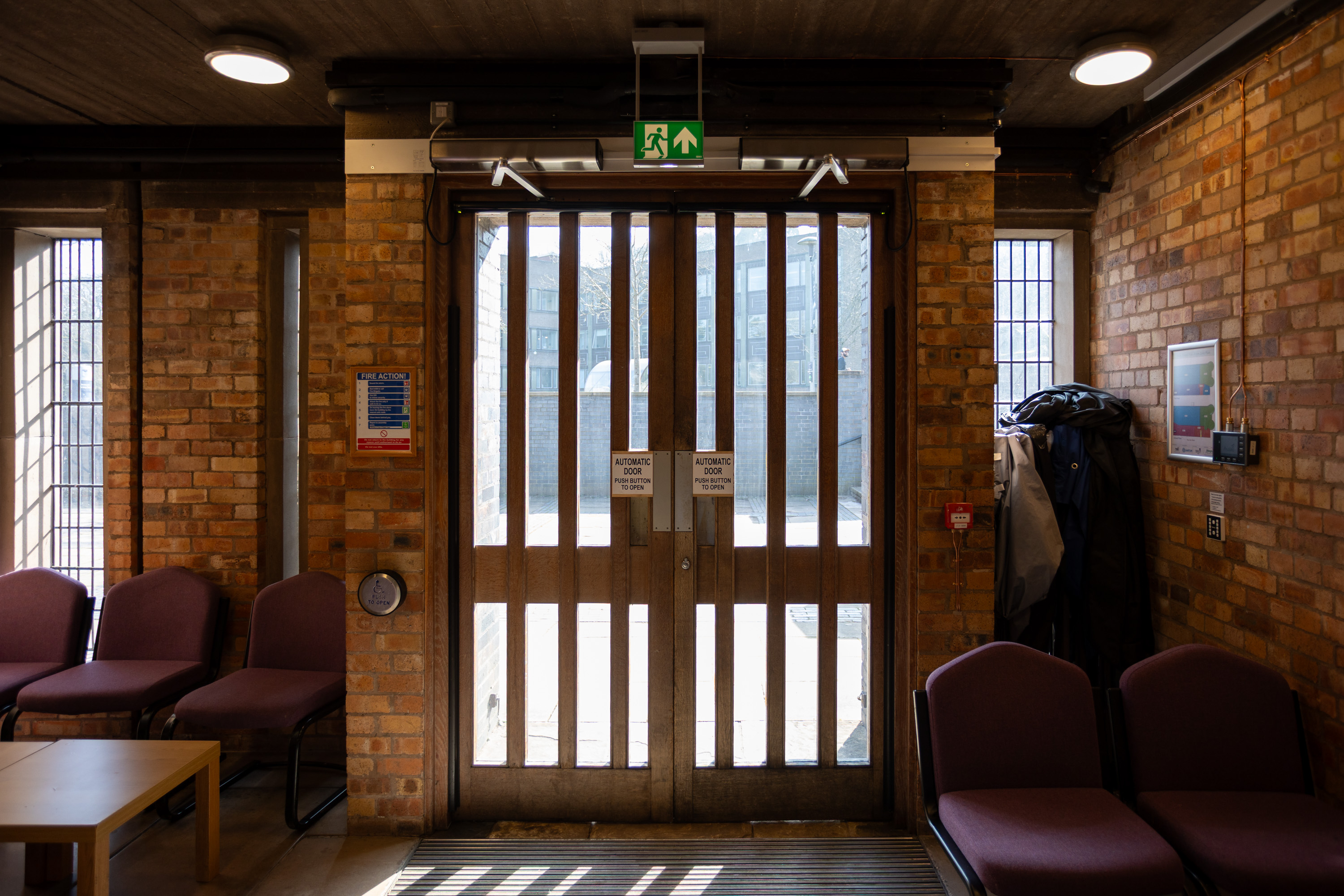
Missed the last Keele post before moving onto Czechia-posting, oops!
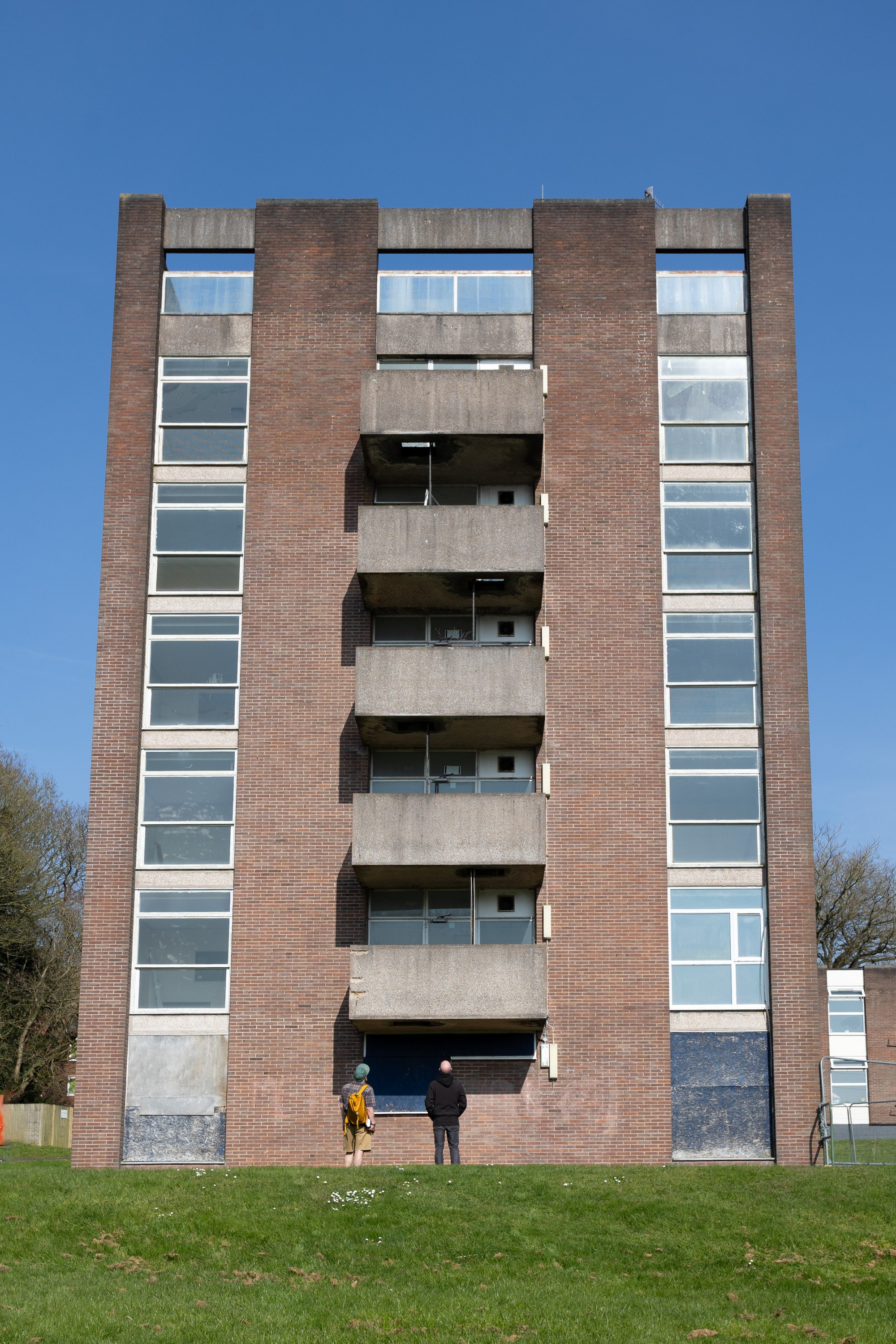
Now close your eyes, and imagine how it would’ve looked with better window frames.
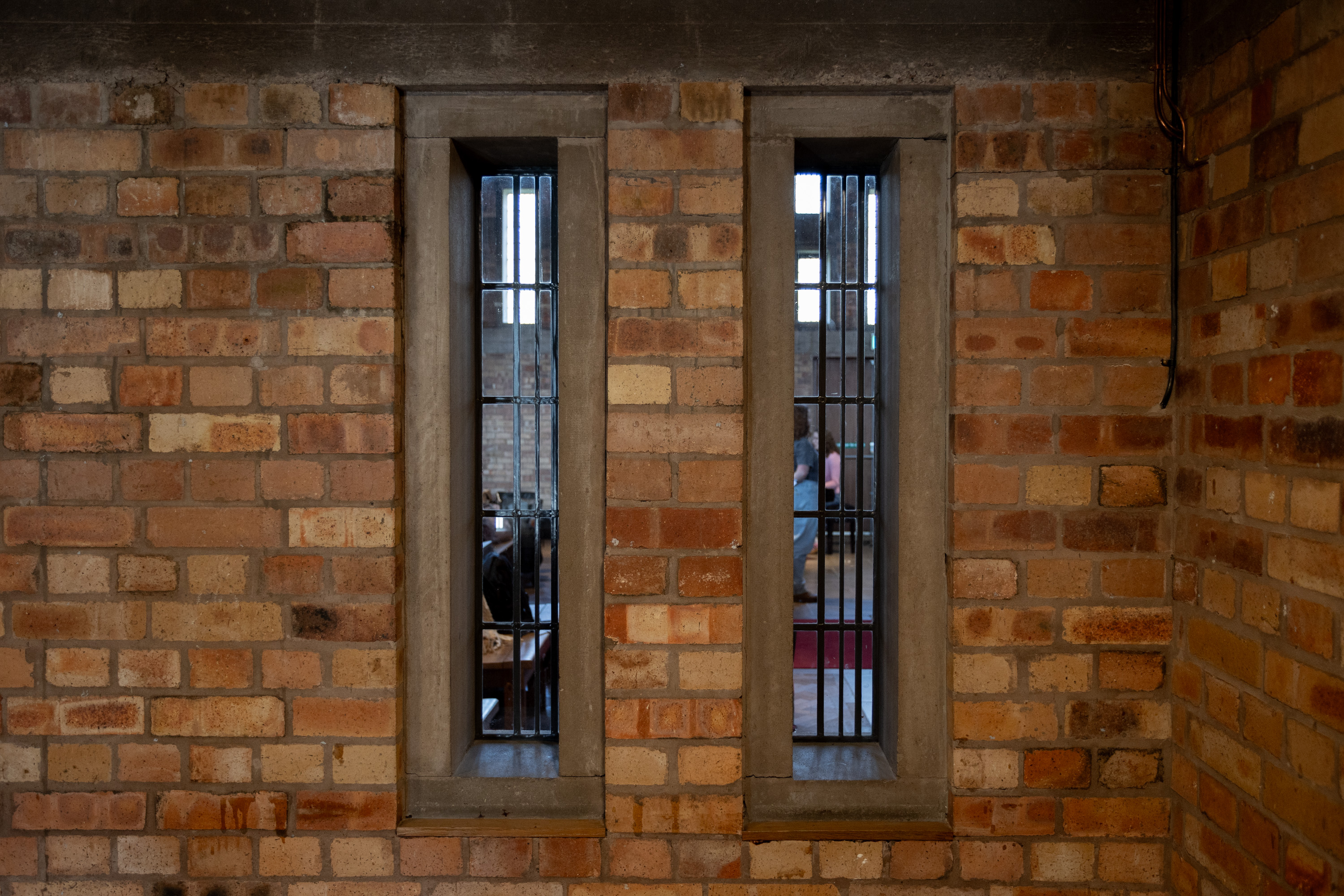
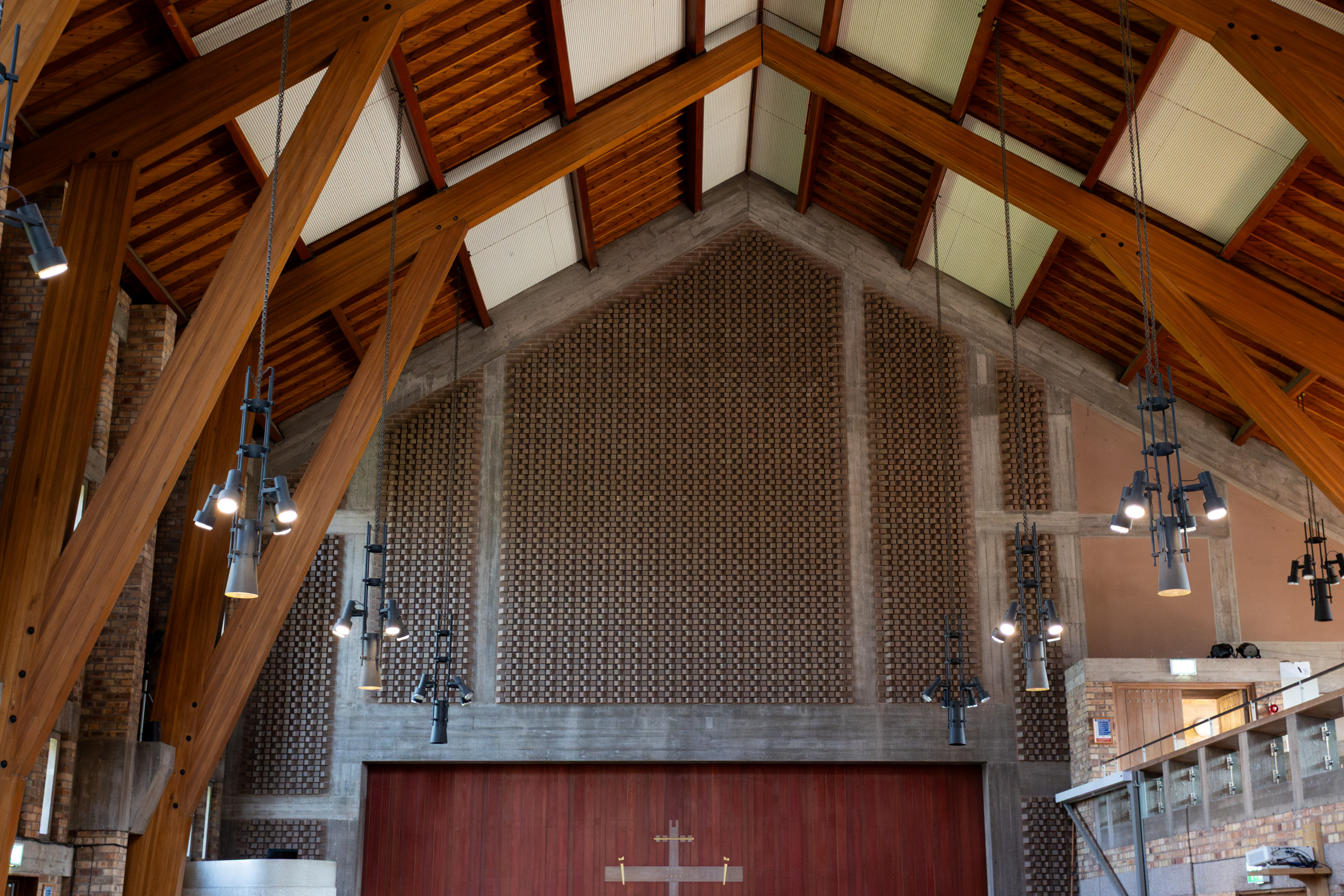
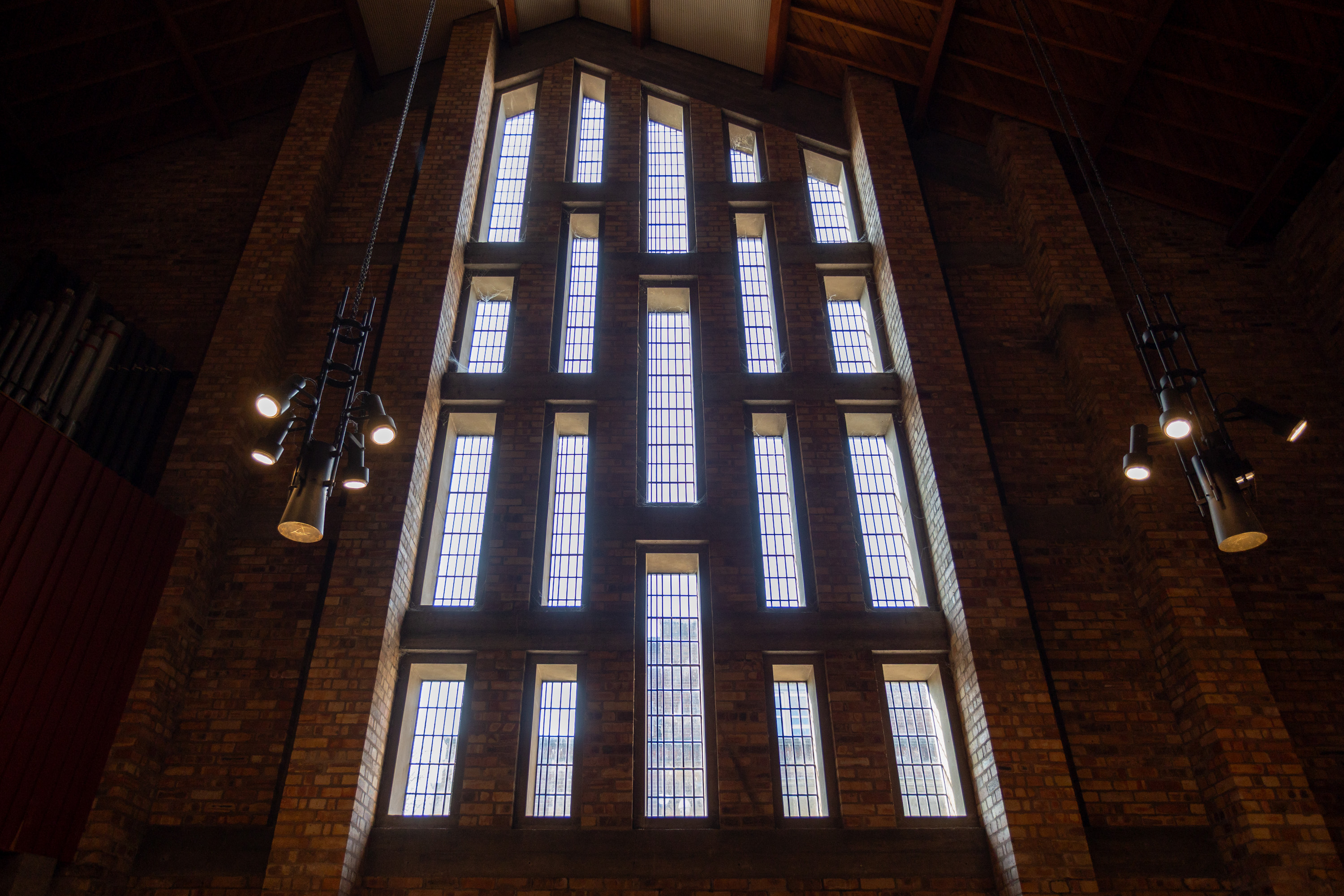
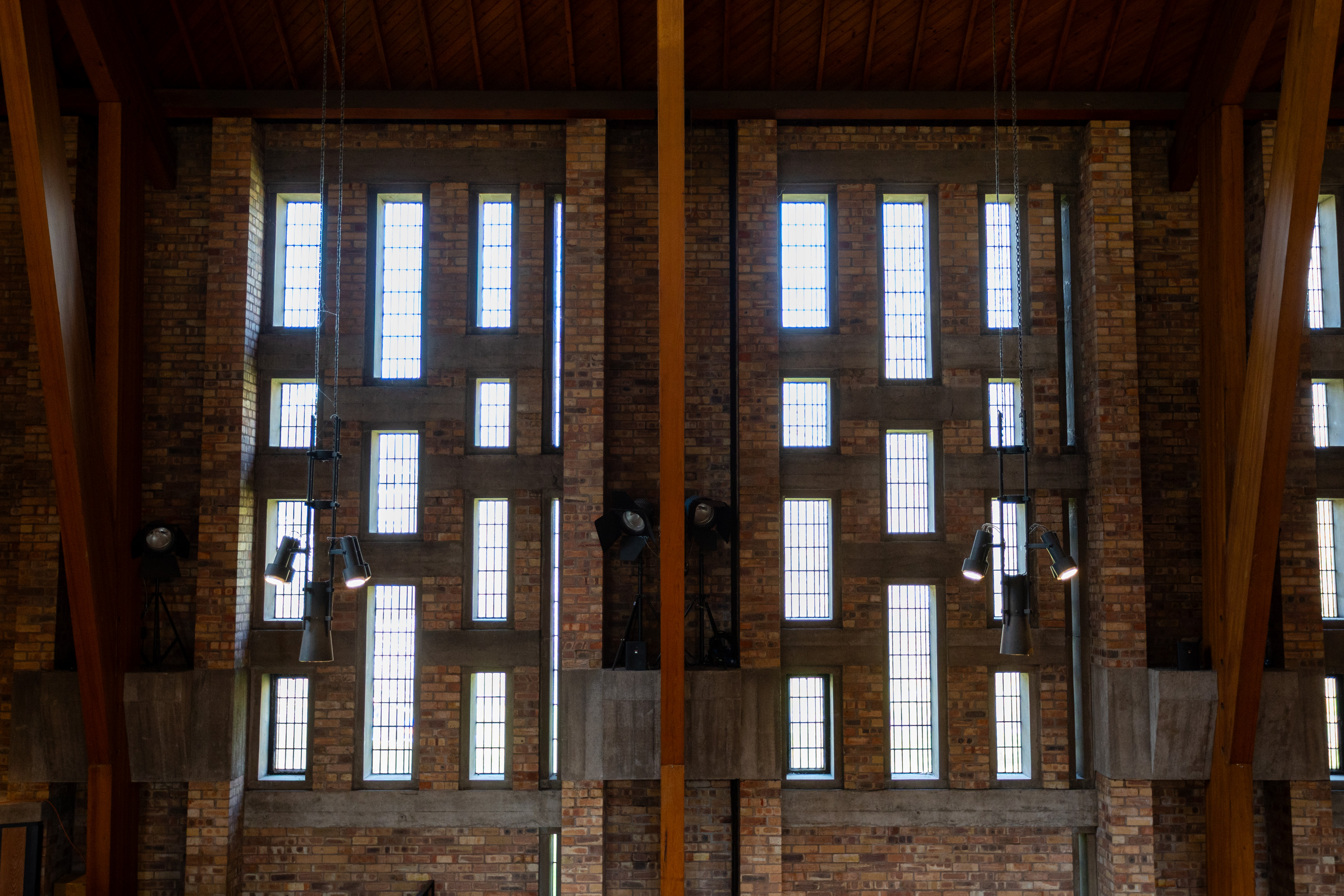
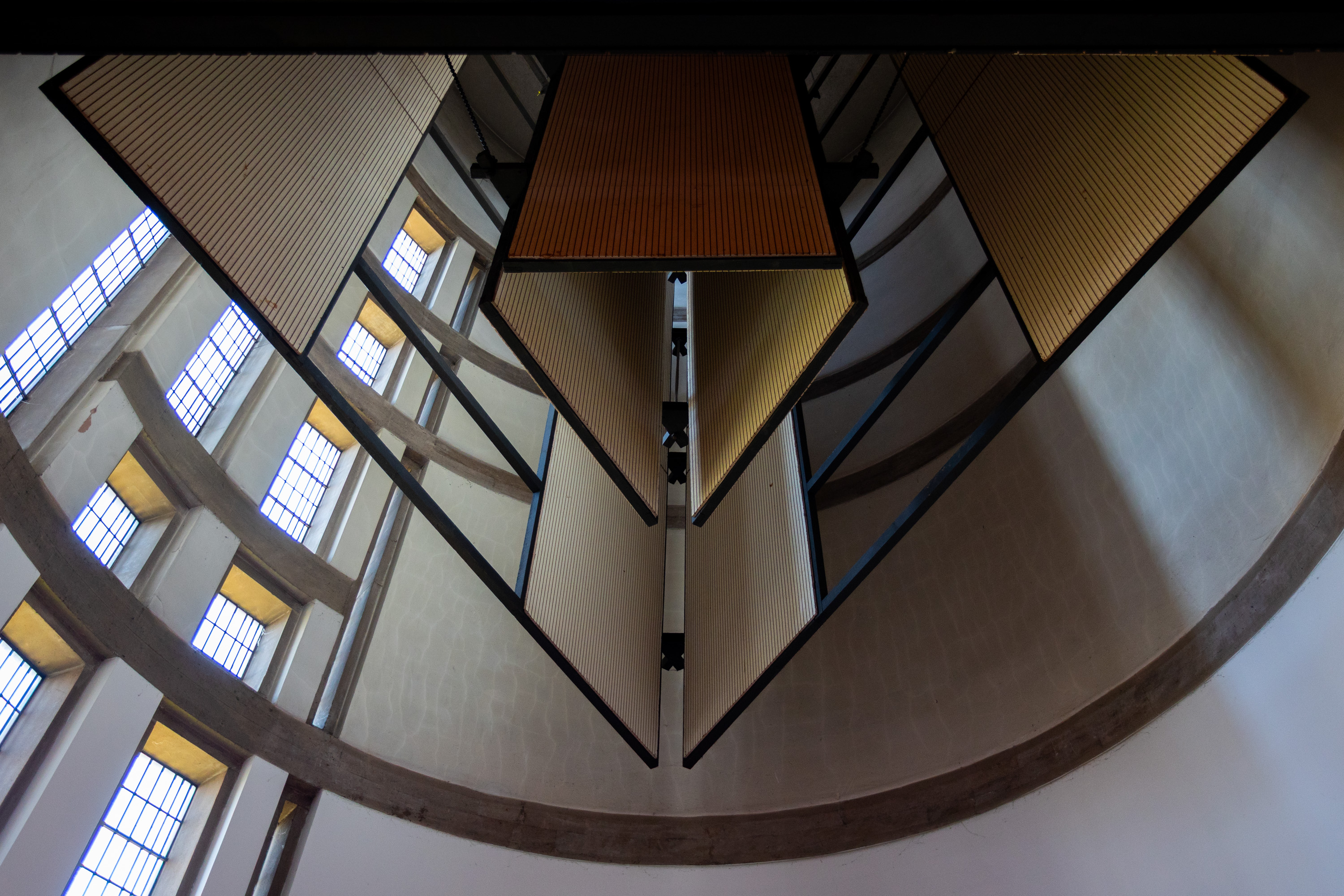
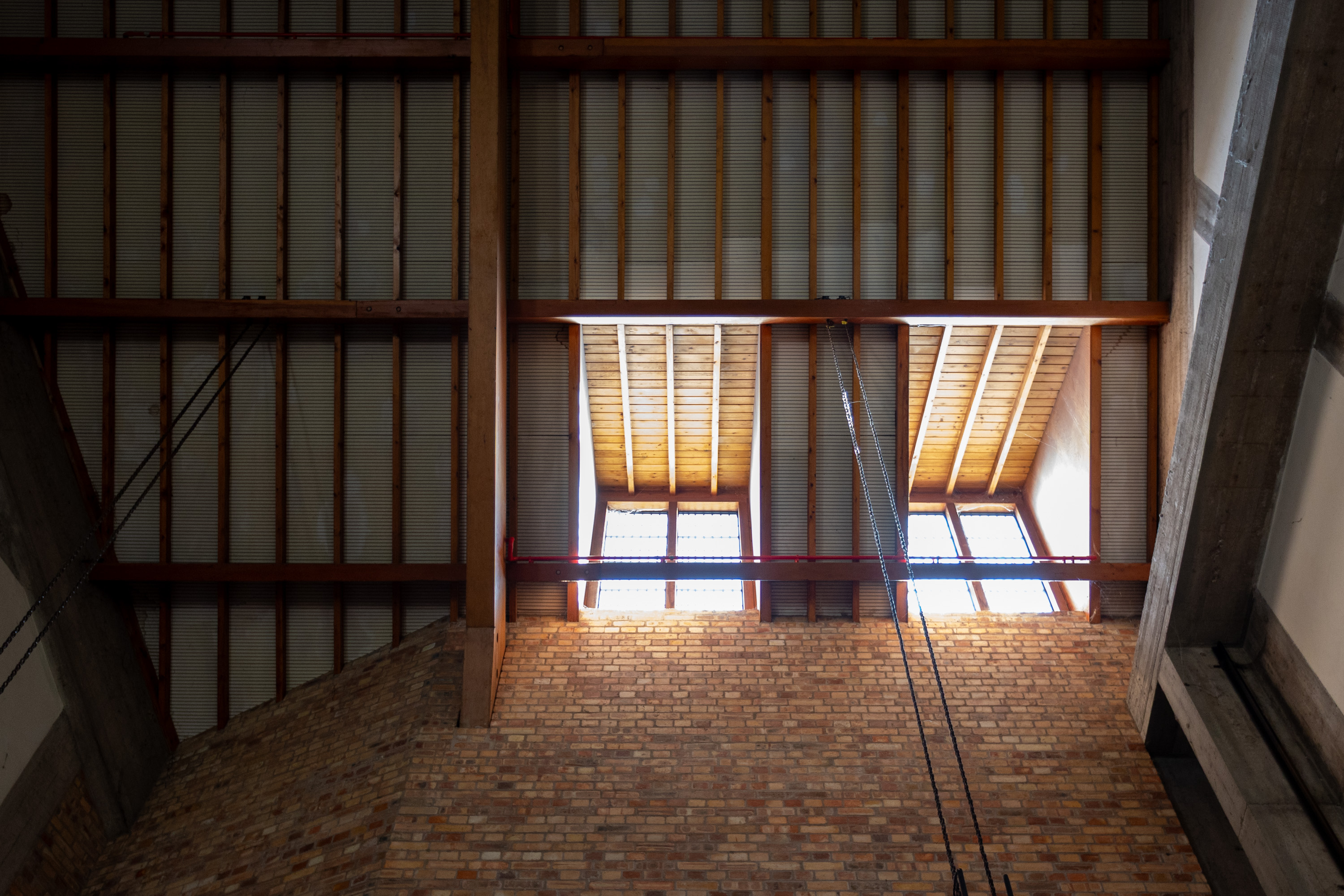
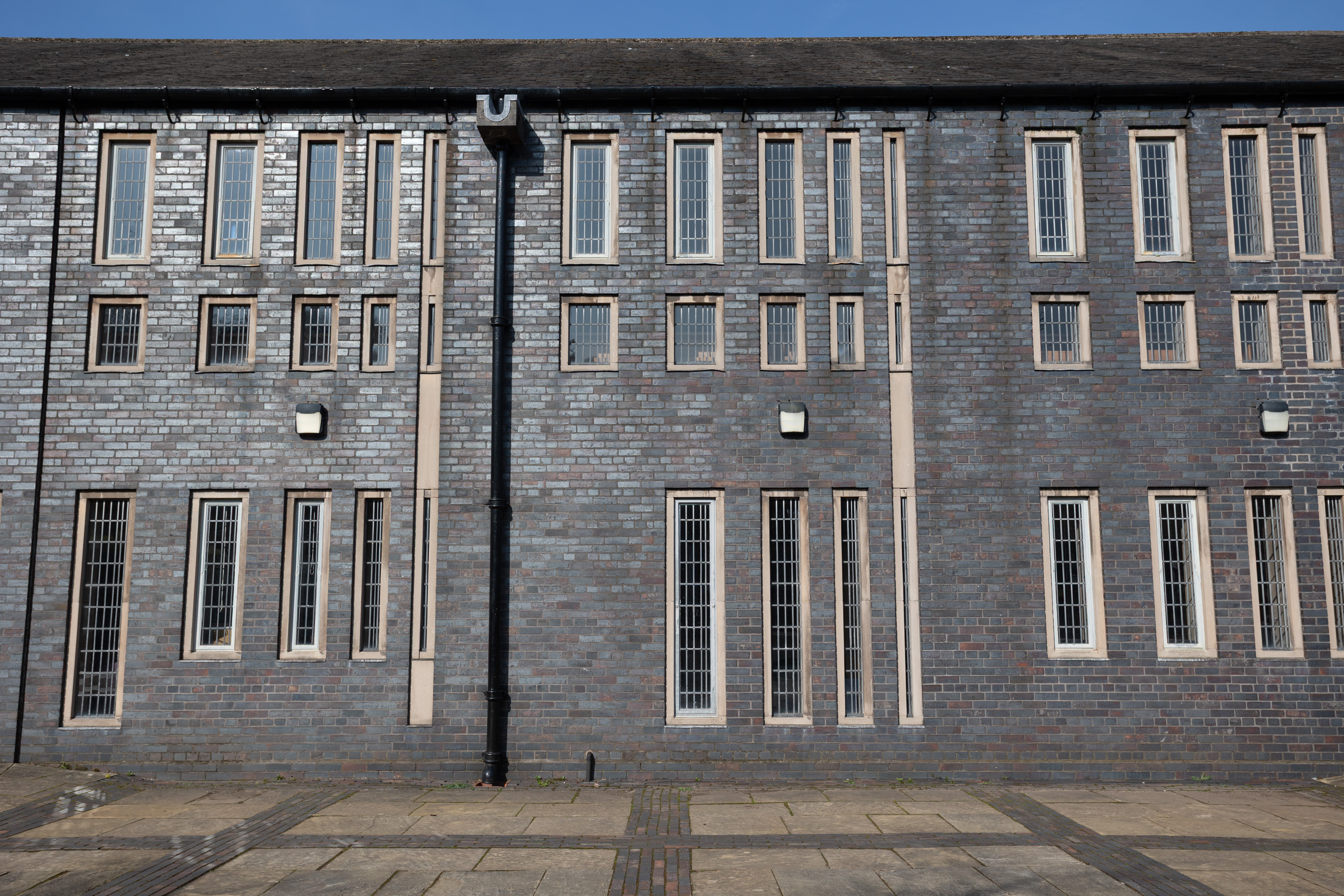
I didn’t get a good photo of the front, but it looks like a some sort of beautiful, crazy, double grain silo.