#plymouth

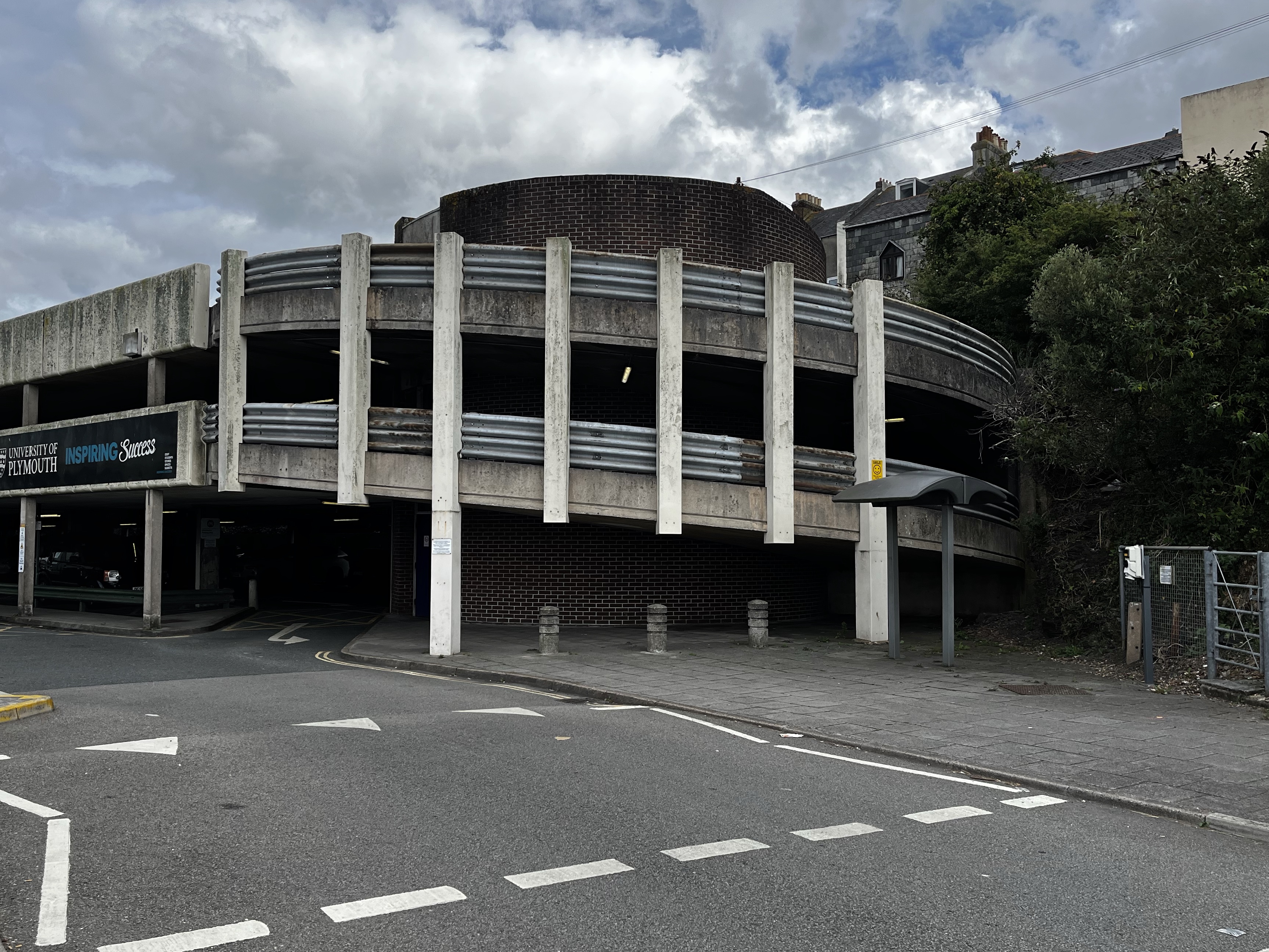
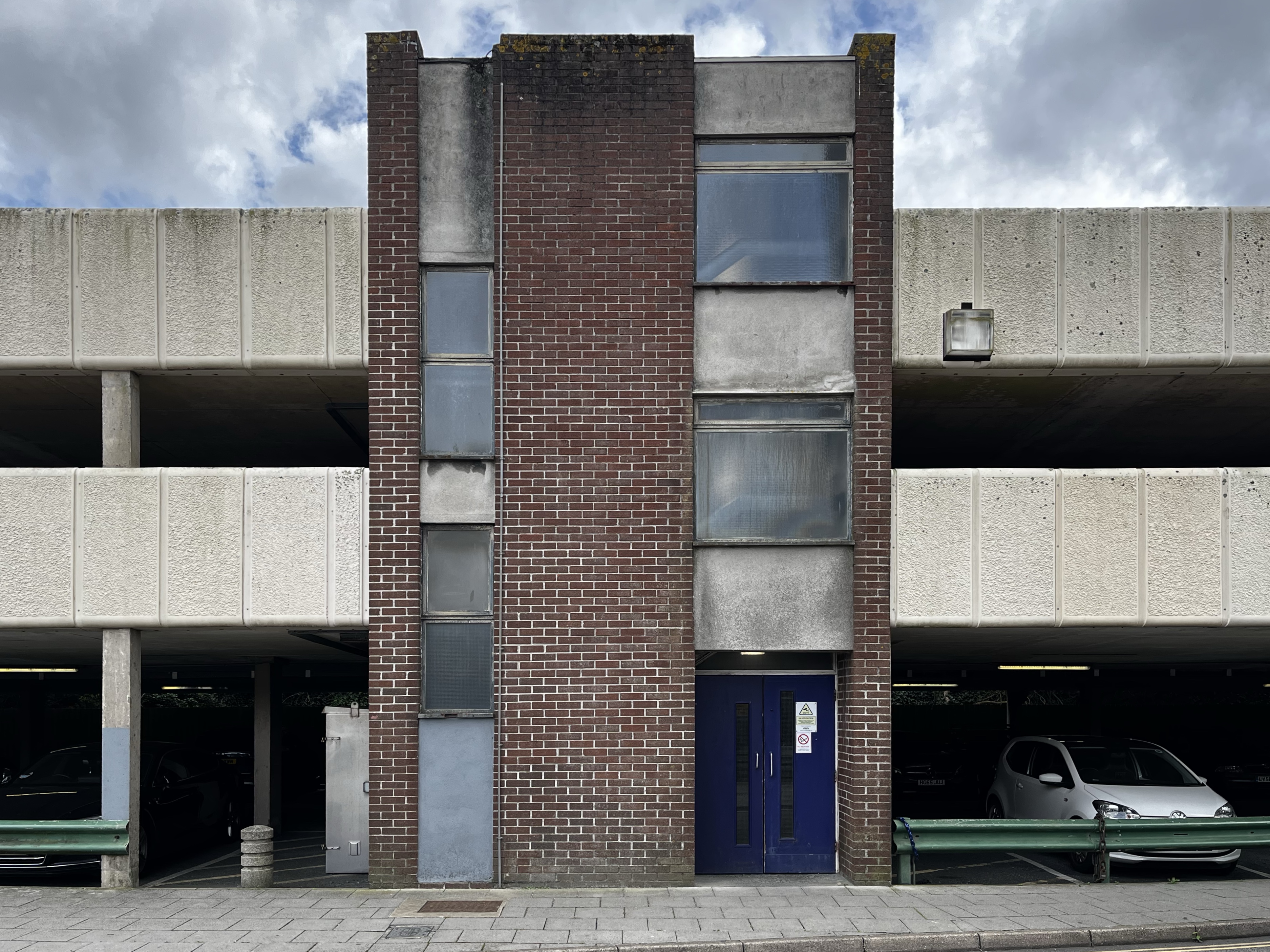
Plymouth railway station car fortress, 2025

A multi-storey concrete car park with vertical pillars and a circular ramp is shown under a cloudy sky. A covered pay station and pavement are in front; trees and buildings are visible to the right and behind the structure.
A symmetrical section of a multi-storey car park features a central brick stairwell with windows and a blue door, flanked by open concrete parking bays. Several parked cars and a cloudy sky are visible. The setting appears urban and utilitarian.

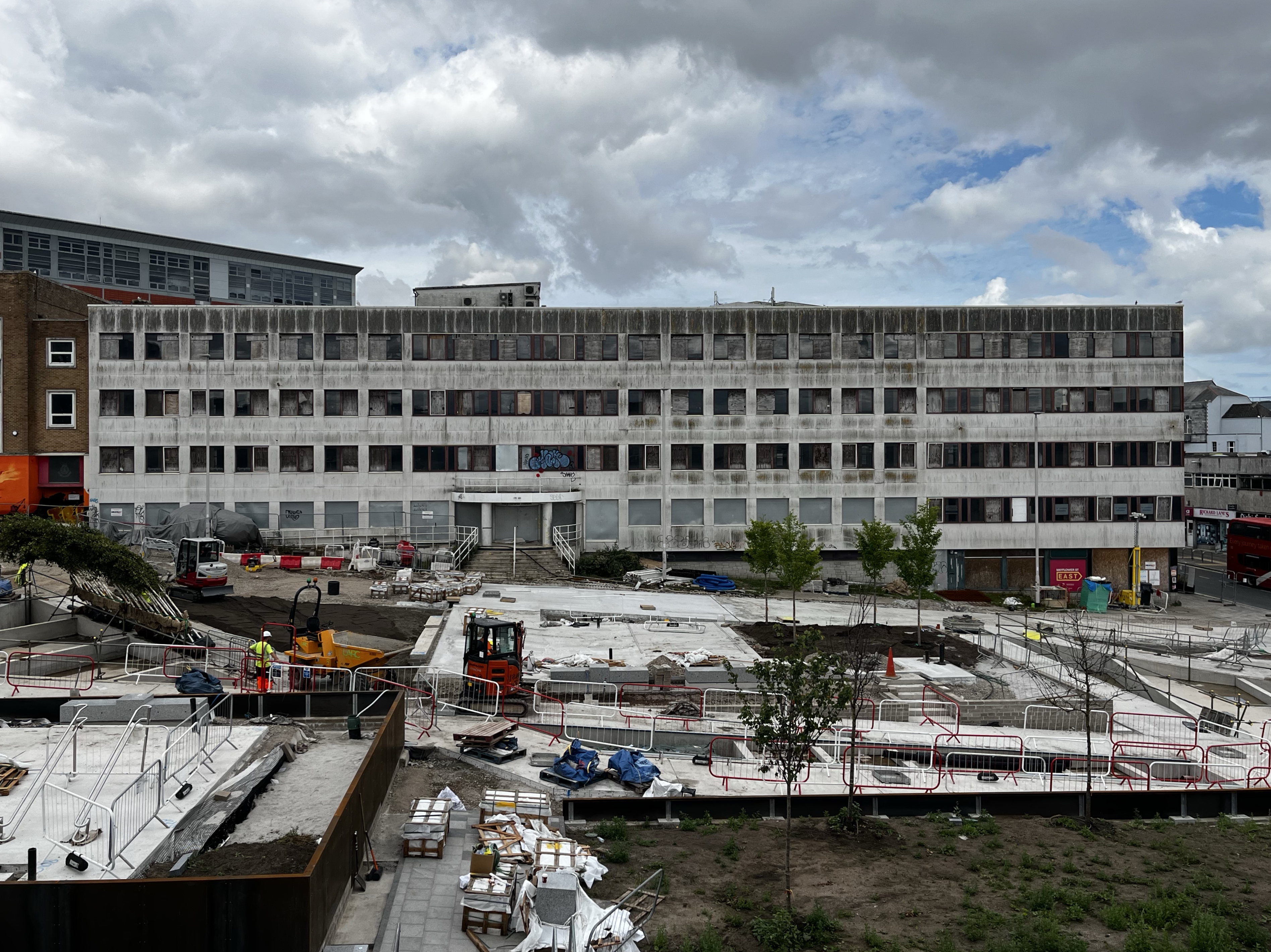
It’s remiss of me to have been to the station so many times, but never to have taken a picture of Intercity House before it was redeveloped.

…the new station with its large office block, ‘Intercity House’, was formally opened by Dr Richard Beeching, the British Railways Chairman, on 26 March 1962.

Plymouth railway station, Wikipedia

What a privilege!
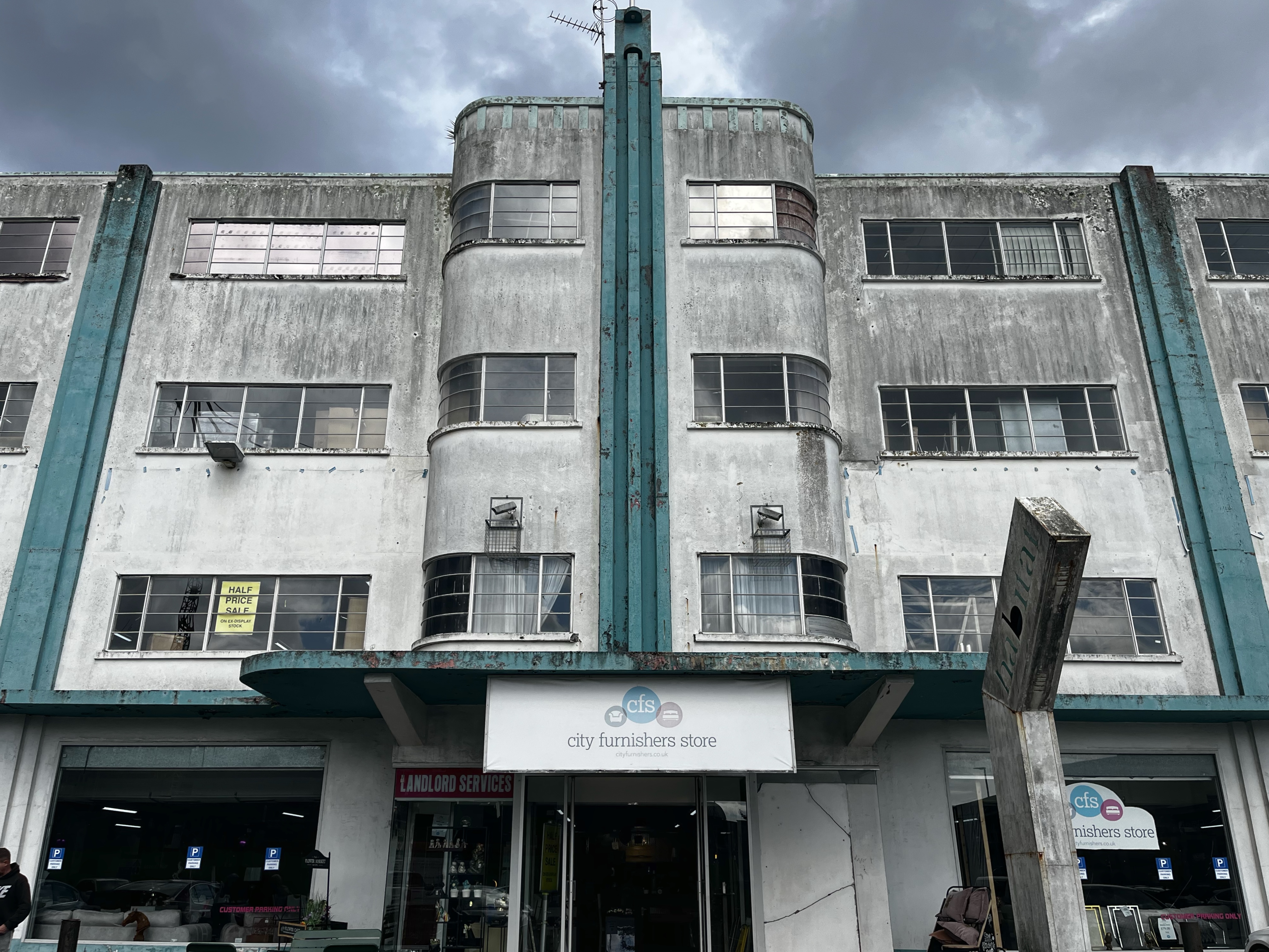
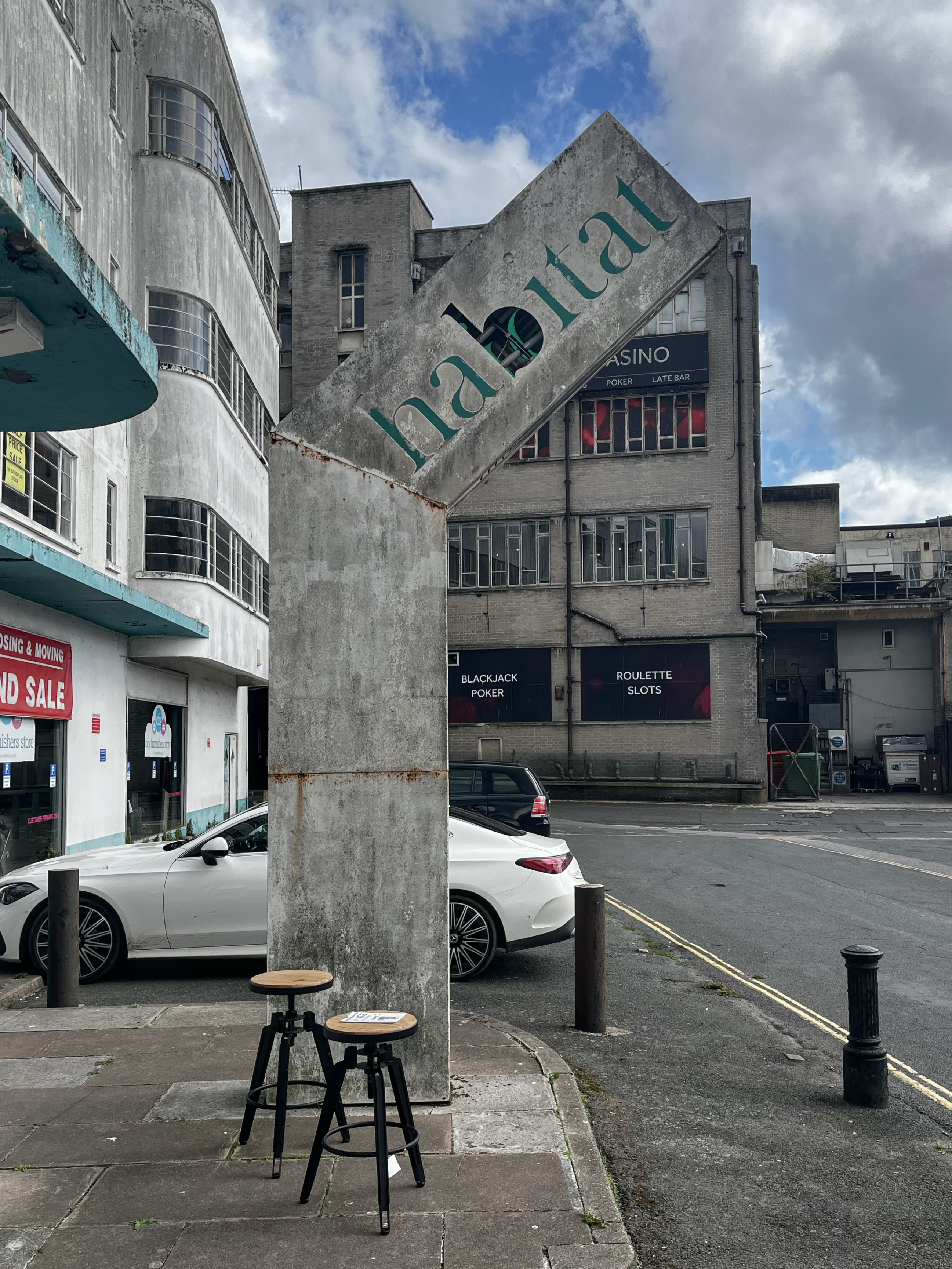
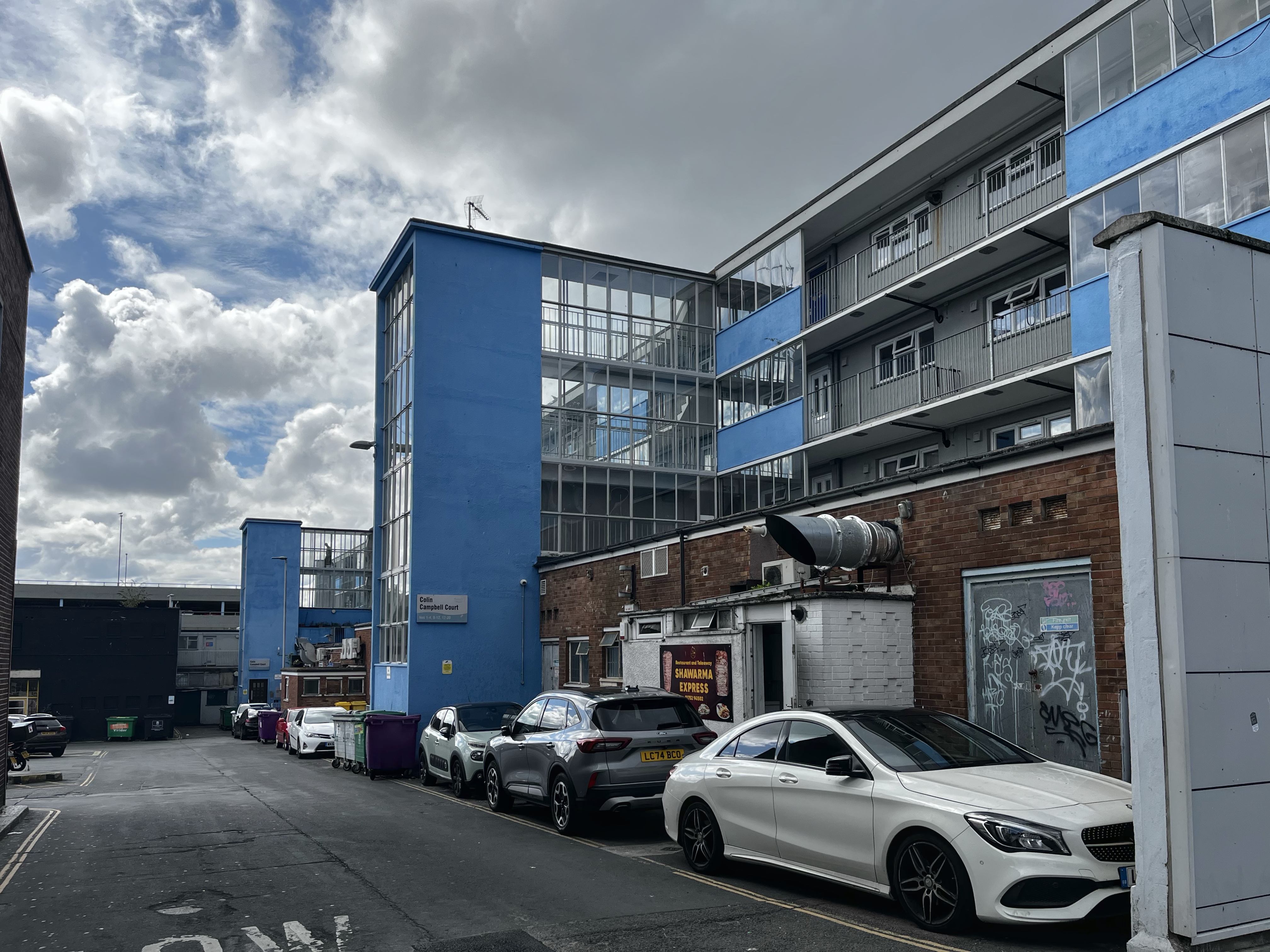
Colin Campbell House & Habitat sign, Plymouth, 2025

A weathered, grey art deco building with teal vertical accents houses a City Furnishers Shop beneath a white awning. Some windows are broken or have bars, and a yellow To Let sign is visible. The sky above is cloudy and dark.
A concrete sign reading “habitat” is bent at a sharp angle on a city street. Two wooden bar stools sit in front of it. Behind, there are old grey buildings, a parked white car, and signs for a casino, all under a partly cloudy sky.

The building, which once housed a car showroom and later a Habitat store, a bookshop, and a furniture shop, failed to secure a heritage listing in 2016, but survived the threat of demolition. It remains one of the few examples of art deco architecture in Plymouth which survived the Blitz. The current tenants of the building have been told to vacate the premises just last week, with the building up for refurbishment into housing. Bring on the uPVC!

Hopefully the sign will be saved – for one, it would look great in my office.

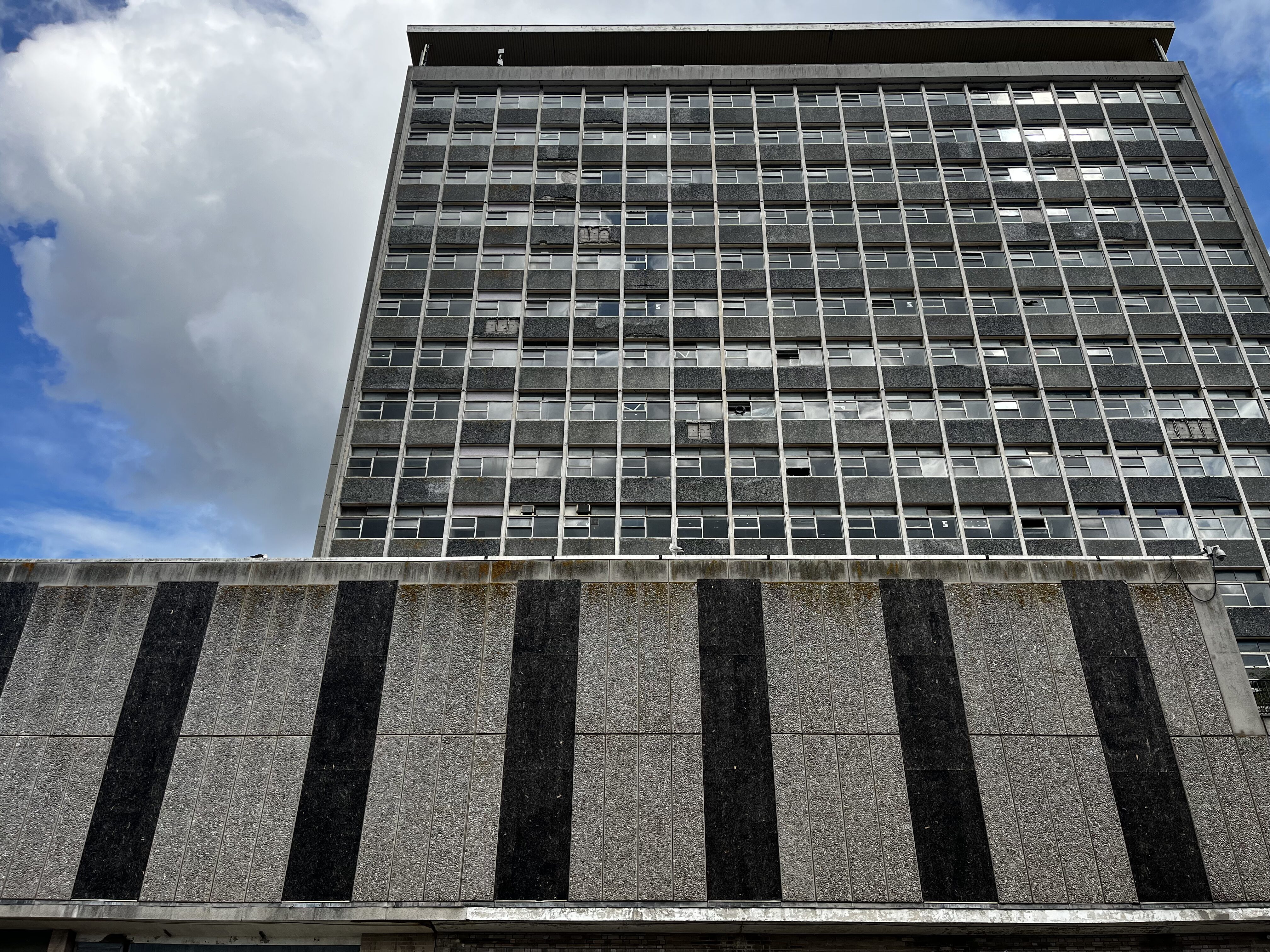
Plymouth Civic Centre & details, 2025

A tall, rectangular, concrete building with many small, dirty windows stands behind a shorter structure with alternating vertical dark and light stripes. The sky is partly cloudy, with blue sky visible on the left and a large white cloud on the right.
A grey, concrete car park by a brutalist tower block. Several cars are parked below. A spiral staircase leads to a walkway covered in colourful graffiti. The scene is urban, with cloudy blue sky above and yellow road markings on the ground.
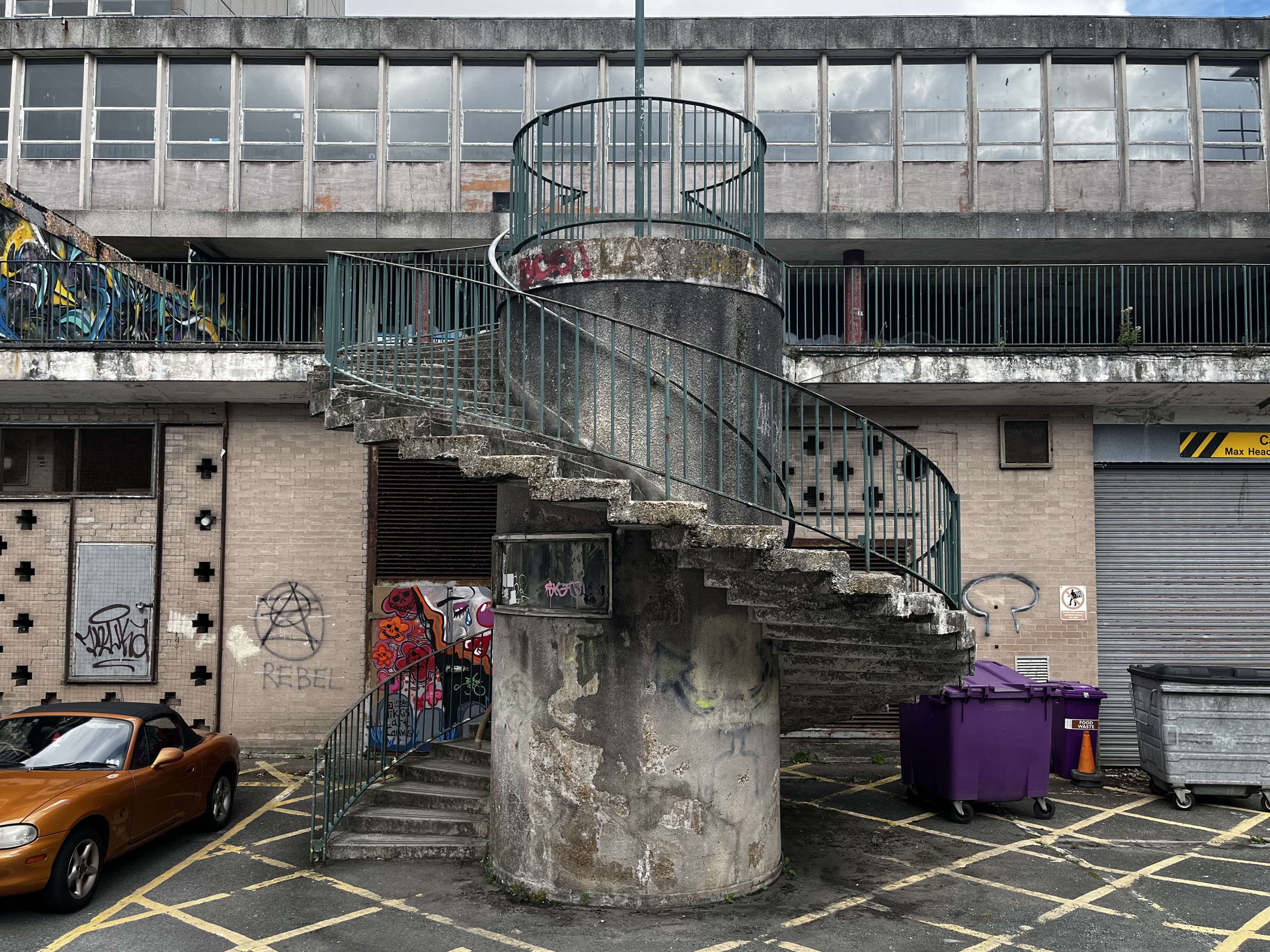
A concrete spiral staircase with a green metal railing wraps around a cylindrical pillar in front of a graffiti-covered, urban building. Yellow parking lines, a parked orange car, purple bins, and industrial details are visible in the scene.
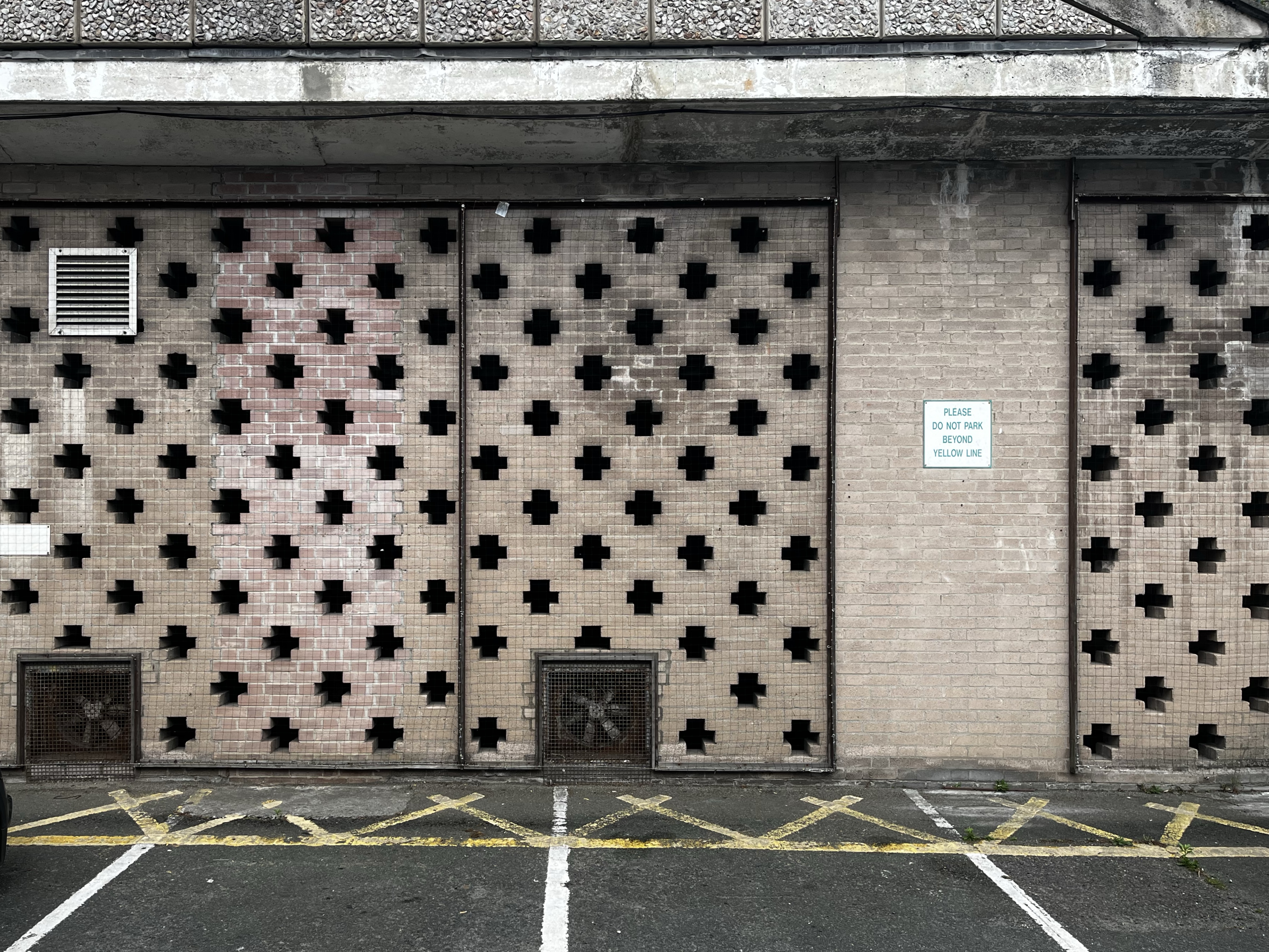
A brick wall with a grid of cross-shaped cut-outs, two vents near the bottom, and a white sign reading “Please do not park in front of roller bar.” Yellow diagonal parking lines and white lines mark the ground in front.

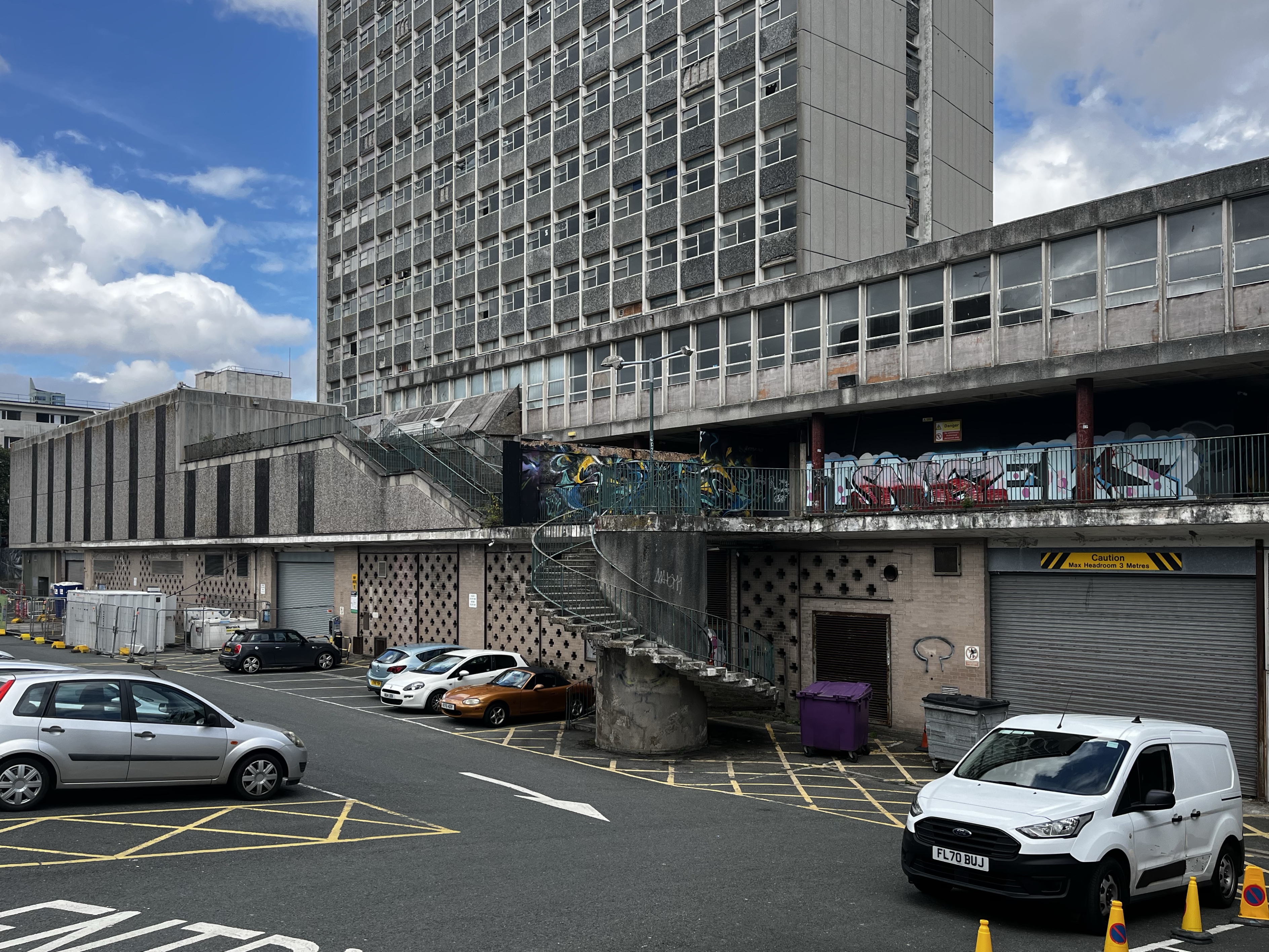
Designed by city architect Hector Stirling, completed in 1962. After several failed schemes to modernise these former Plymouth City Council offices, plans are currently underway to convert the lower floors of the building into a new campus for City College Plymouth, with housing on the floors above.

Dedicating this post to my beleaguered boyfriend, who detests this building.

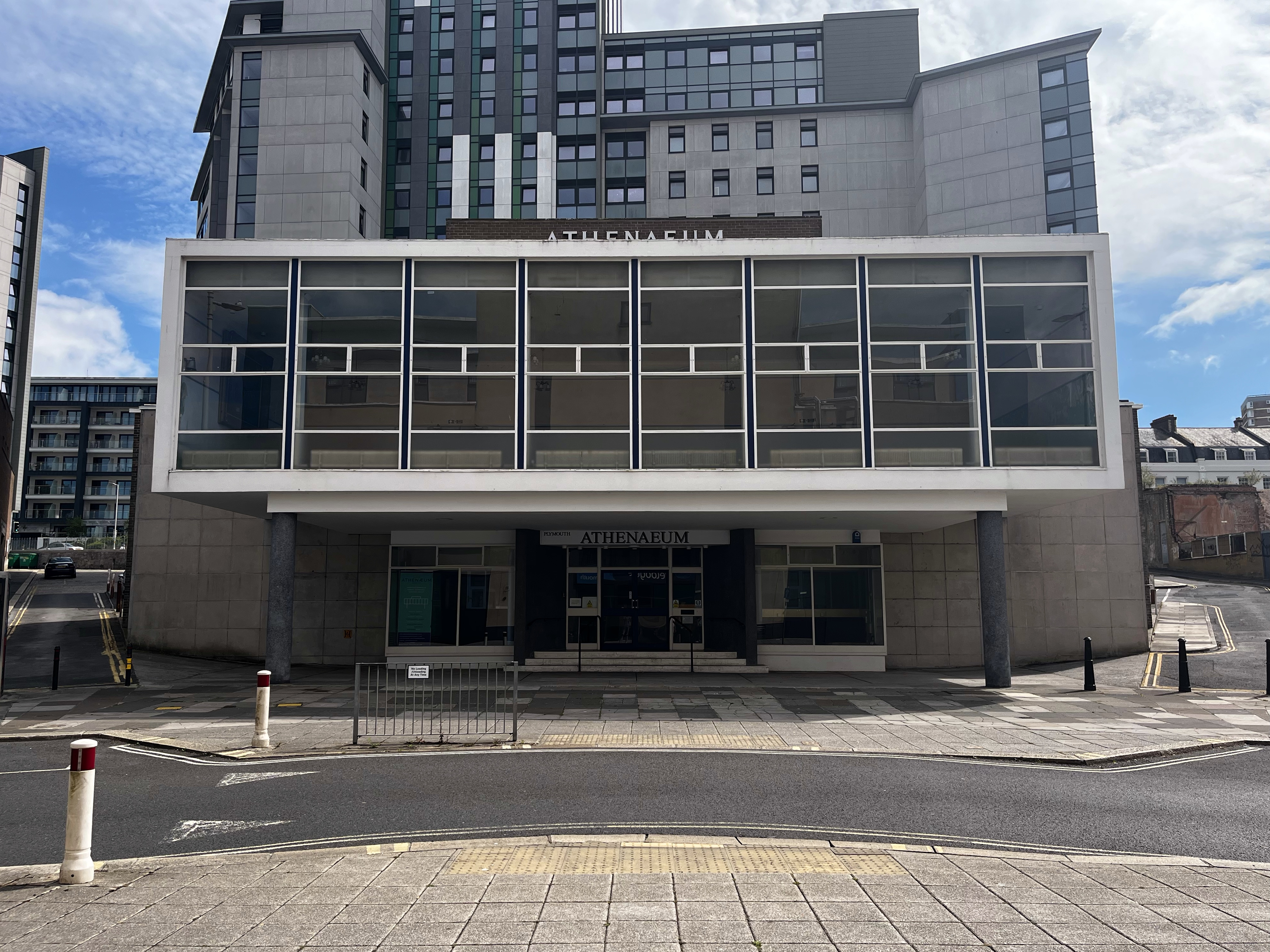
Plymouth Athenaeum, 2025

A modern, rectangular building labelled “ATHENAEUM” features large glass windows on the upper floor and a sheltered entrance below. The facade is grey, with bollards, a ramp, and a pedestrian crossing visible in front on a sunny day.

The theatre was used as a studio by neighbour Westward Television Studios with a tunnel linking the two together. In 1963 John Lennon, Paul McCartney and George Harrison escaped fans by using the tunnel.

Plymouth Athenaeum, Wikipedia

Built in 1961 following the bombing of the society’s previous home in the Blitz, designed by Walls and Pearn.